Europe of Migrations and Human Rights: throwback on our 7th session
On Friday 10 April, during its 7th session, the 25/26 cohort of the Académie Notre Europe gathered to discuss a key theme in current debates: Europe, migration and human rights. From the Schengen Area to contemporary migration policies, the founding principles of free movement and European solidarity are now being called into question by several Member States. Against a backdrop of multiple humanitarian crises and the rise of the far right, this session examined the prospects for the European Union’s migration and asylum policy, as well as the capacity of its institutions to guarantee respect for fundamental rights, European values and the rule of law.
Is the EU tightening its migration policy ?
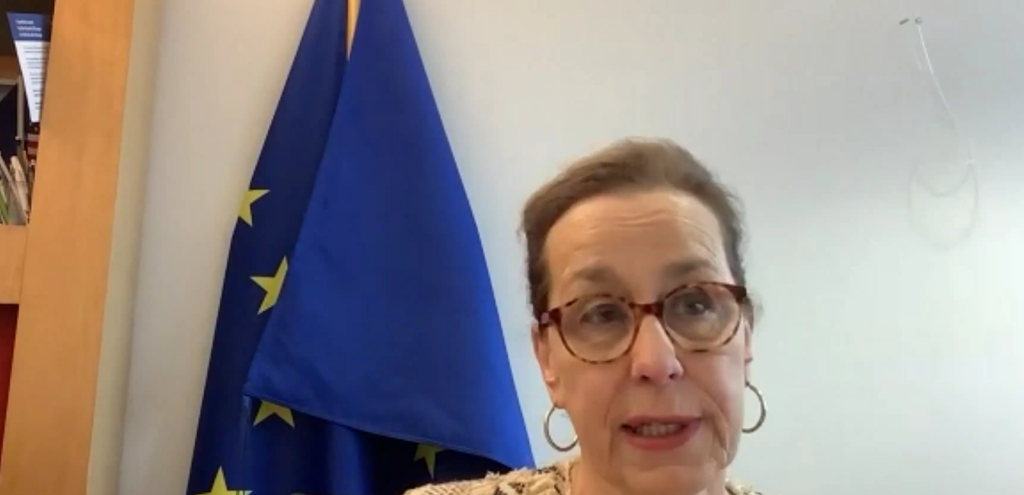
The new European Pact on Asylum and Migration which should enter into force in June 2026, represents a harmonization of the standards and practices at a European level in terms of mandatory border procedures, reception conditions and solidarity mechanisms between members states. Speaking from Strasbourg, Fabienne Keller highlighted how the Pact has become a political and ideological tool, especially through the vote on the text of the Return Regulation. This text is a threat to the respect for migrants’ rights: it will be possible to send people back to countries other than their country of origin and to establish ‘return hubs’ in third-party countries.
Fabienne Keller reiterated the importance of defending a balanced and moderated Pact, one that respects human rights and is grounded in reality, in the face of the exploitation of anti-migration rhetoric by the far right. It must address both the legitimate need to better control irregular entry and the labour shortages affecting Europe, which could be addressed through legal migration, coordinated at European level in a calm and evidence-based manner.
European migration policy: from Schengen to the present day
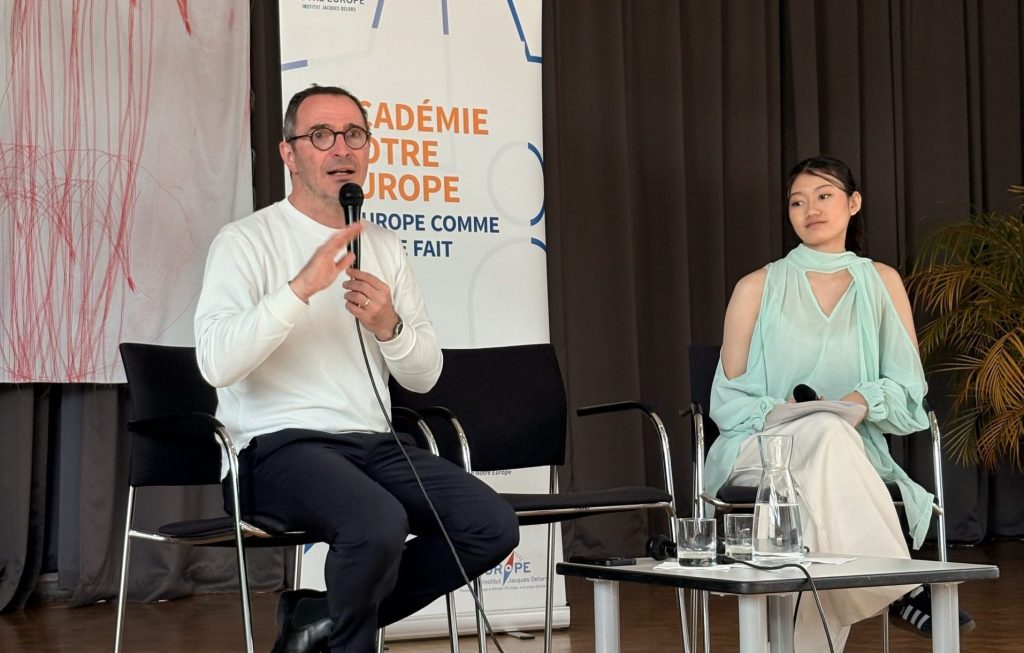
In his speech, Yves Pascouau emphasised that the migration issue has become a major source of division in Europe, both politically and geographically. On the one hand, the “frontline” countries (Greece, Italy, Spain) have to manage the mass arrival of migrants. On the other hand, some states refuse to take in these people. One of the major problems raised is the difficulty in managing asylum applications at a European level. This situation is exacerbated by international crises, which make migration flows unpredictable and difficult to regulate.
The Asylum and Migration Pact has come under heavy criticism. It is seen as a continuation of a policy that he considers ineffective and unbalanced. Current migration policy relies too heavily on coercion and control, without addressing the root causes of migration. He regrets the absence of a genuine common European vision, based on solidarity and respect for democratic values. He calls for a complete rethinking of the institutional architecture of migration policy, so that it is no longer limited to a security-based approach.
Yves Pascouau’s speech helped to illustrate that the migration issue is not merely a technical matter. It touches on the very heart of the values, unity and future of the European project.
What is the EU doing to protect fundamental rights?
Since the year 2000, the Charter of Fundamental Rights of the European Union has enshrined the commitment of the EU institutions and its Member States to respect citizens’ fundamental rights, based on the principles of freedom, equality and solidarity, which form the very foundations of the EU’s values. Behind these words lie concrete realities, life stories and diverse, painful, and sometimes tragic migration journeys.
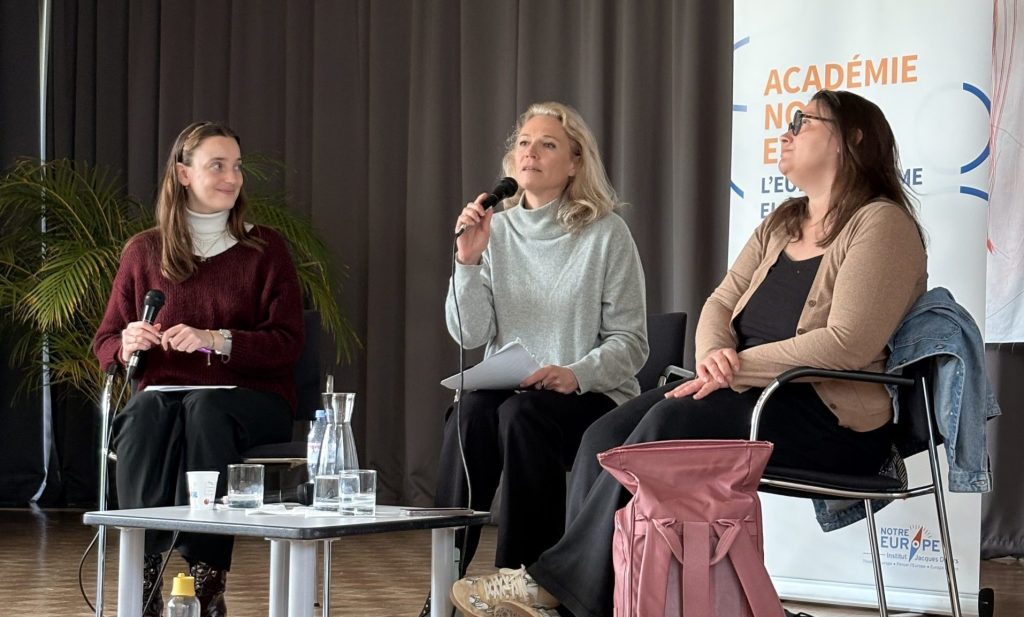
Tania Racho and Bérangère Matta have highlighted the diversity of profiles and the multitude of reasons that drive people to leave their countries for the EU, whereas migration is often portrayed as a mass, like a single, compact body. The actions of SOS Méditerranée highlight the difficulties in enforcing these rights on the ground, in a context marked by a withdrawal of state involvement, a tightening of laws governing reception, and a desire to outsource migration management beyond the EU’s borders. With 910 people having died in the Mediterranean Sea since the start of the year, Tania Racho and Bérangère Matta both believe that these losses are the result of the political choices made by current EU governments and that everyone can make a difference by taking action.
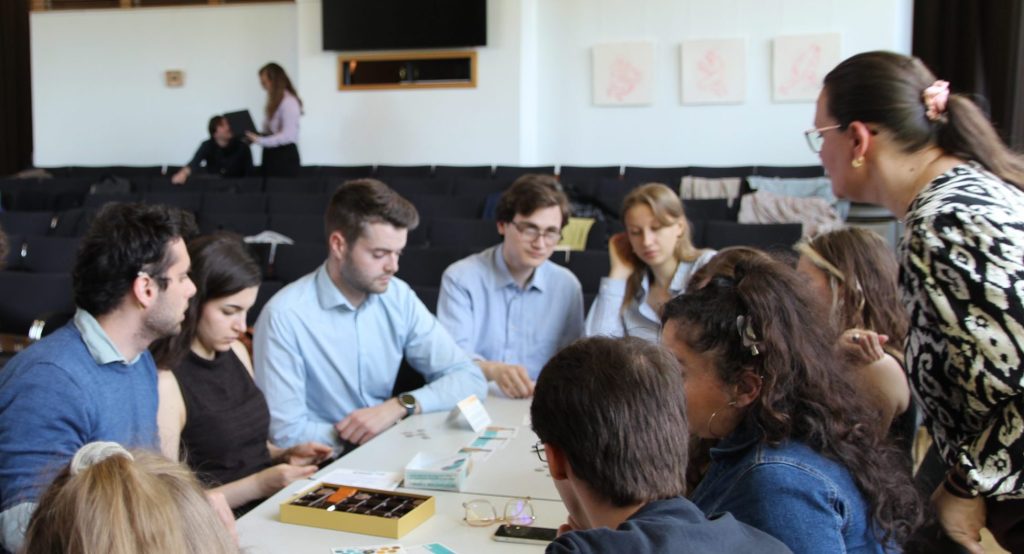
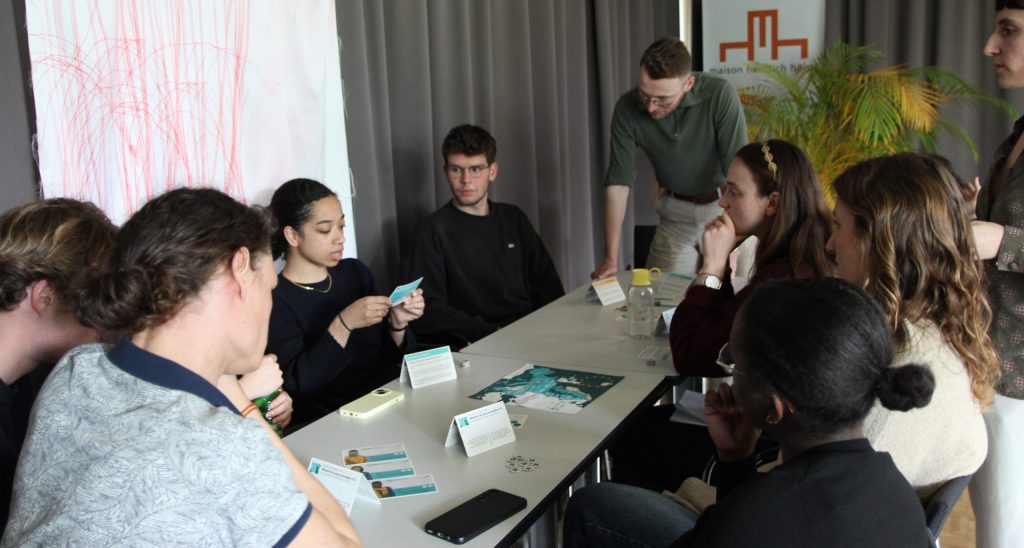
Workshop “Destination Europe”:
Our partners:
- Ministry of Europe and Foreign Affairs
- AG2R LA MONDIALE
- Open Society Foundations
- Maison Heinrich Heine