Europe in the World – A Look Back at Our Second Session of the Year
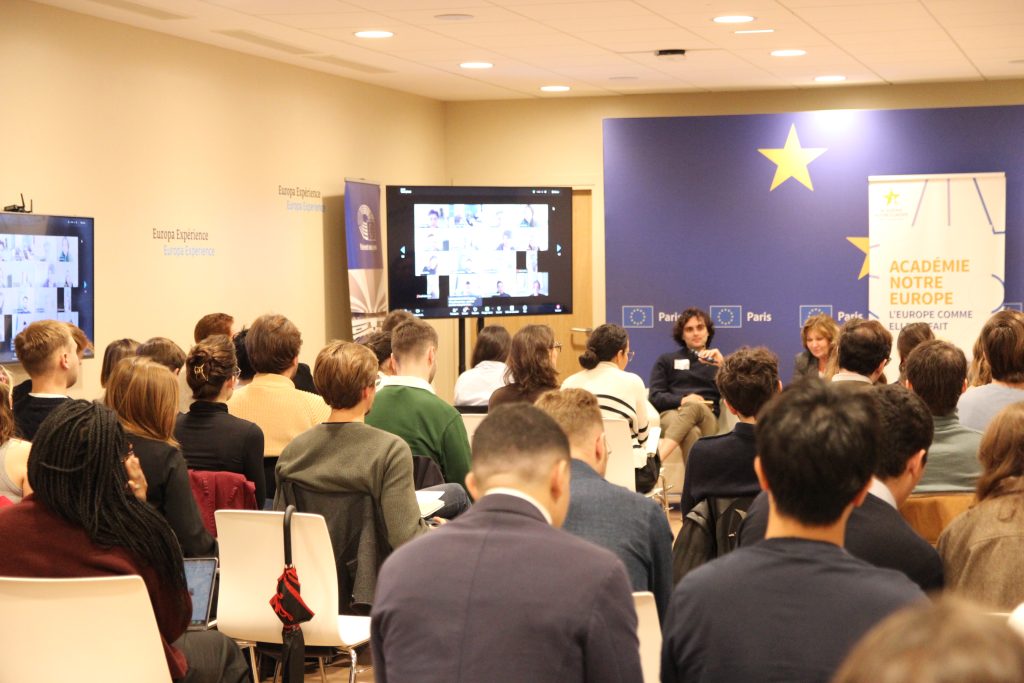
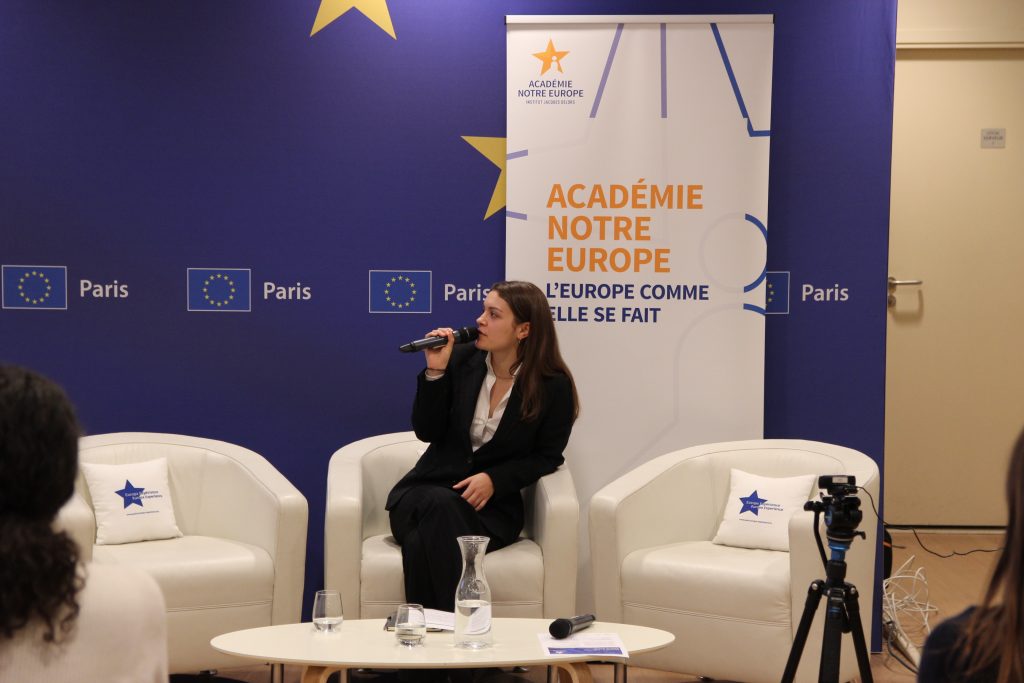
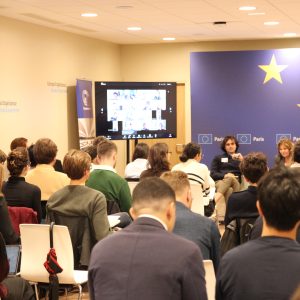
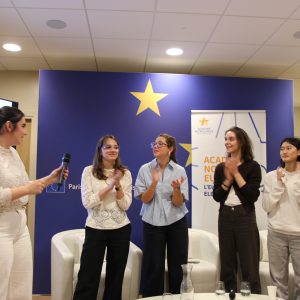
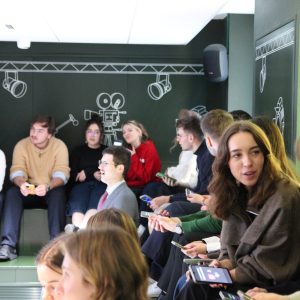
On 14 November, the 2025–26 cohort of the Académie Notre Europe met at the Europa Experience in Paris for its second session, dedicated to Europe’s role in the world. As Jacques Delors famously said: “To understand Europe today, we must first start from the world.”
It was a particularly timely theme: Donald Trump’s return has chilled transatlantic relations; the latest EU–China summit confirmed a status quo marked by ambivalence; the war in Ukraine continues to rage more than three years after Russia’s invasion; and controversies around the EU–Mercosur agreement remain strong in several EU member states, including France.
A look back at a fascinating session.
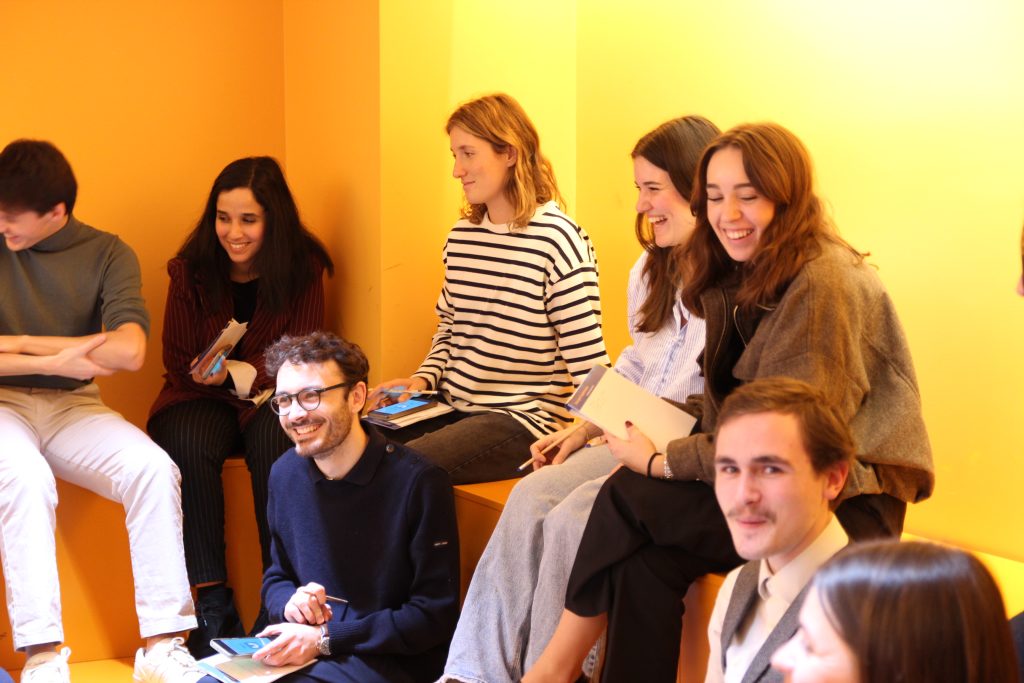
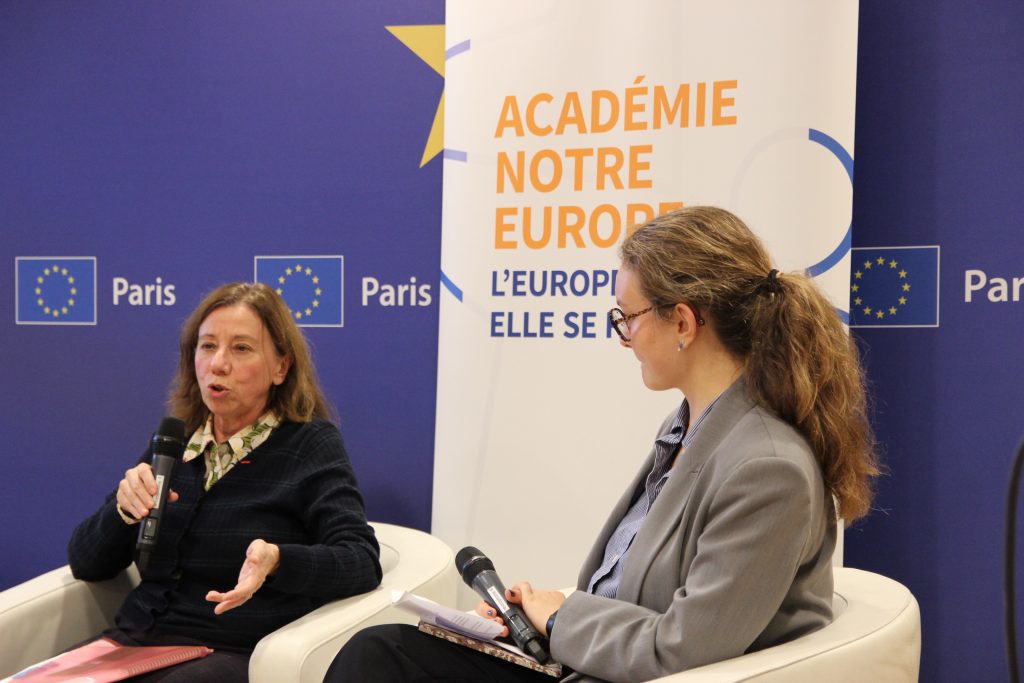
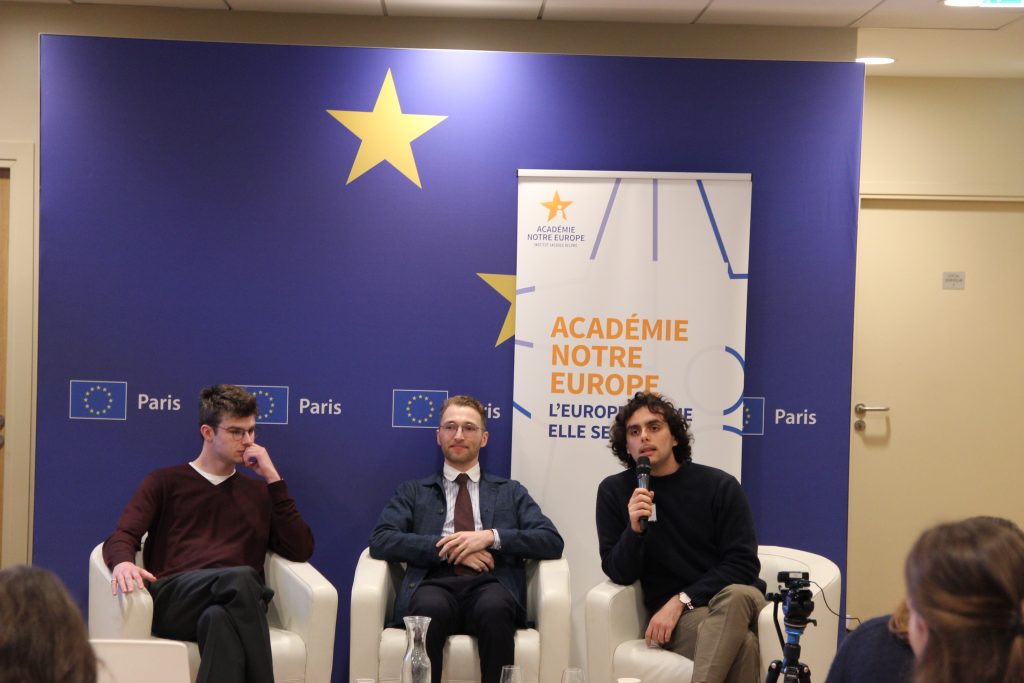
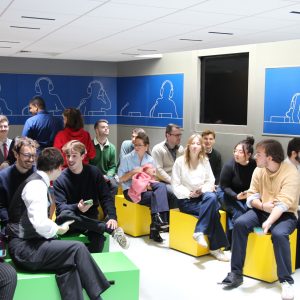
The day began with a news briefing, during which Elvire Fabry, Senior Research Fellow at the Jacques Delors Institute, presented her analysis of the Turnberry and EU–Mercosur agreements to the participants of the Académie Notre Europe. She recalled how Donald Trump’s resolutely transactional approach profoundly reshaped transatlantic relations. Ms. Fabry also revisited the criticisms levelled at the European Union, accused of conceding too much to Washington in order to secure the Turnberry deal. In this context, she highlighted the strategic potential of the EU–Mercosur agreement, which could help revitalise certain European industrial sectors while protecting sensitive ones thanks to negotiated safeguard clauses.
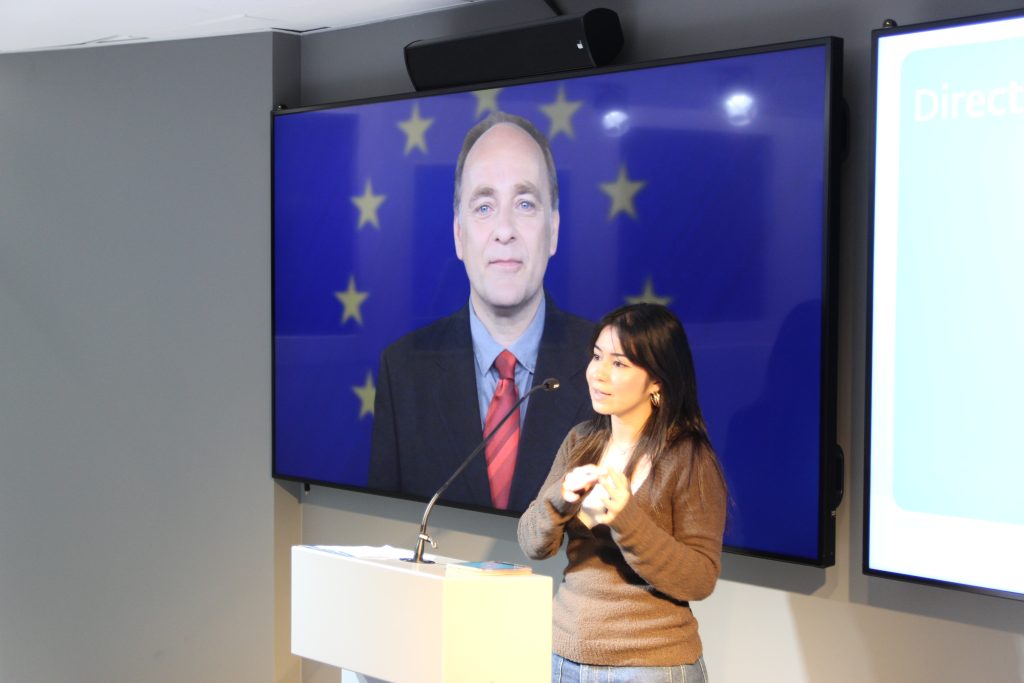
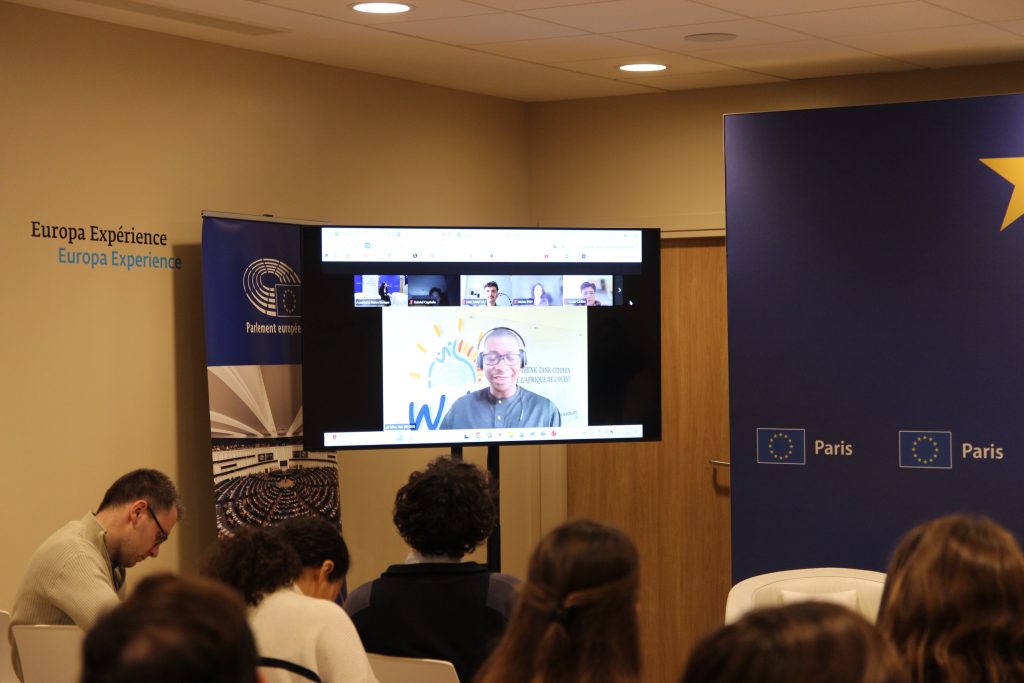
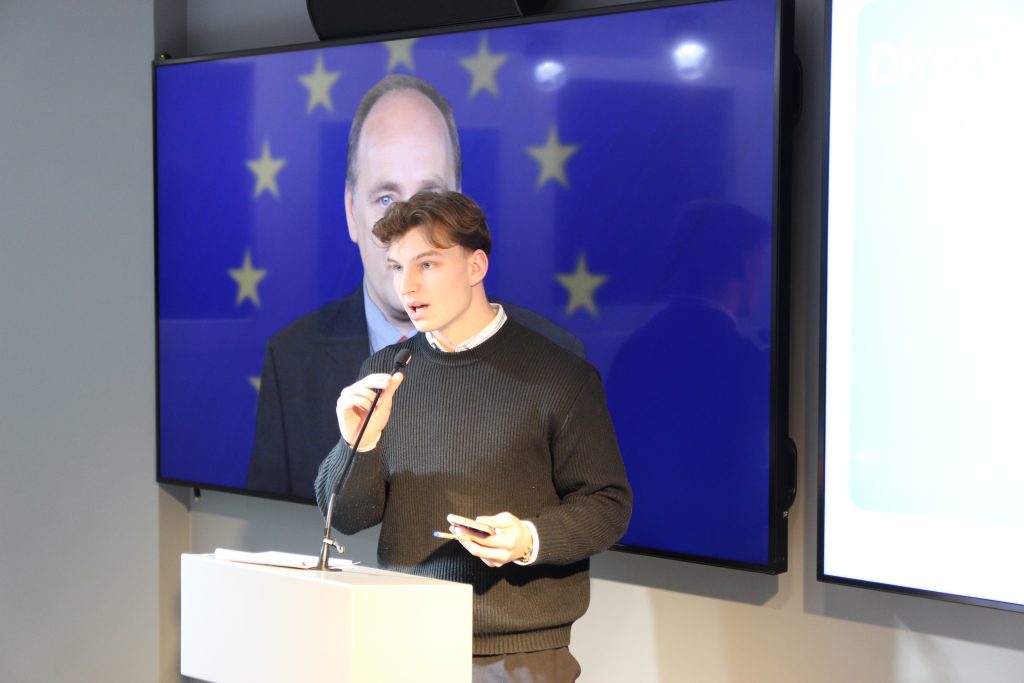
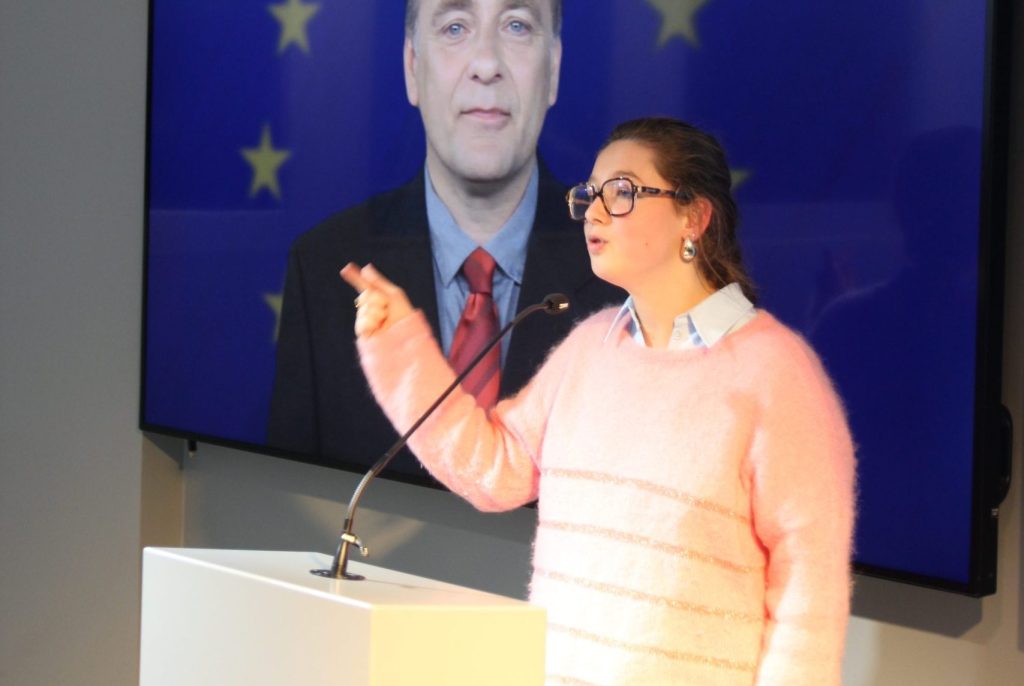
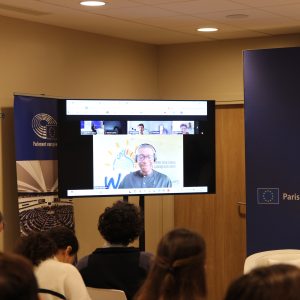
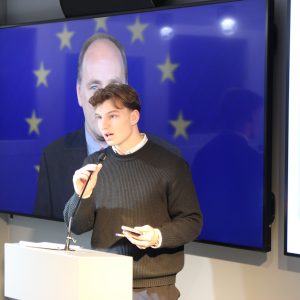
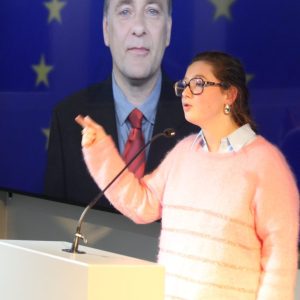
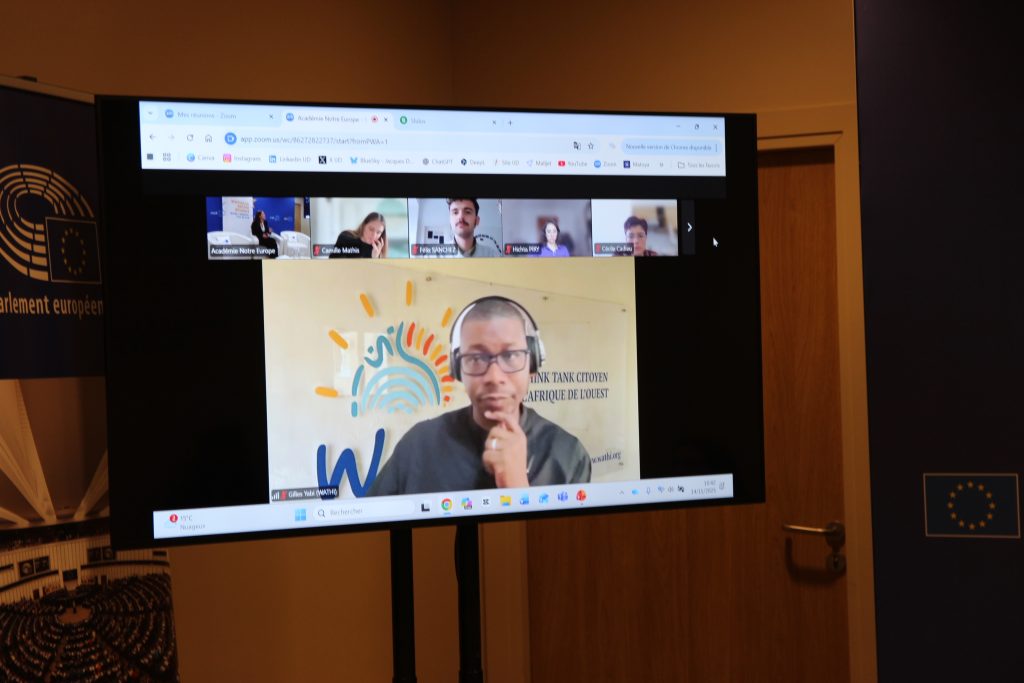
A remote intervention by Gilles Yabi, founder and director of the WATHI think tank, offered a clear-eyed perspective on the divergent perceptions between Africans and Europeans. By emphasising the weight of historical legacies and political trajectories interrupted by colonisation, he reminded participants that the failure to acknowledge these realities continues to fuel lasting resentment. While encouraging both sides to move beyond these obstacles, he underlined the common interests that should underpin a renewed partnership — notably the defence of multilateralism and responses to climate challenges — insisting on the urgency of greater justice and financing adapted to Africa’s needs. A clear and thought-provoking contribution that opened pathways toward a more balanced partnership.
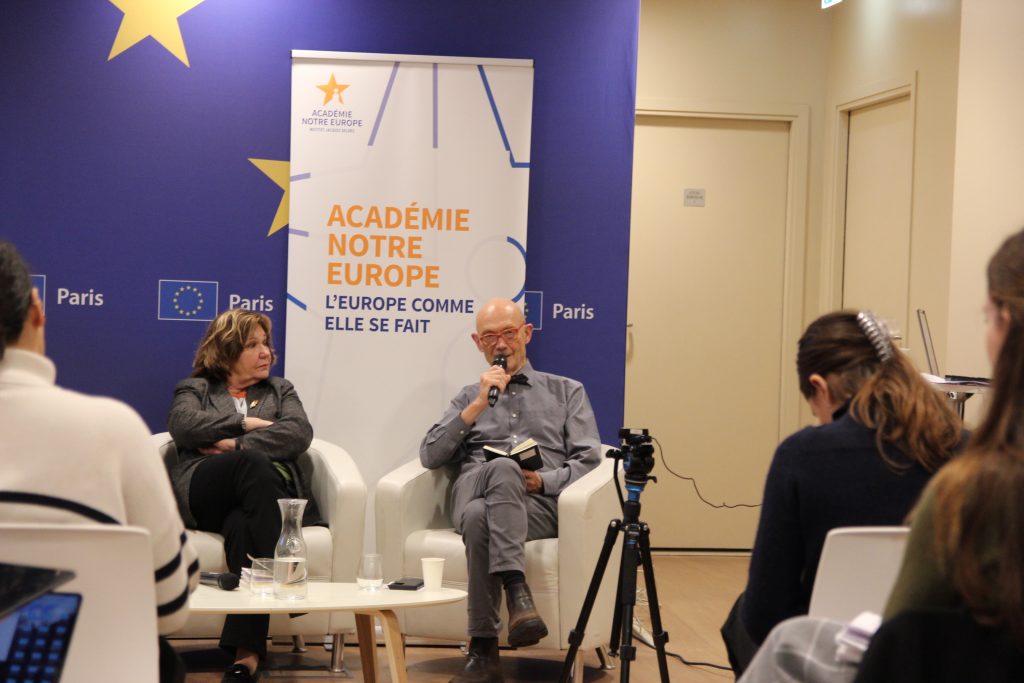
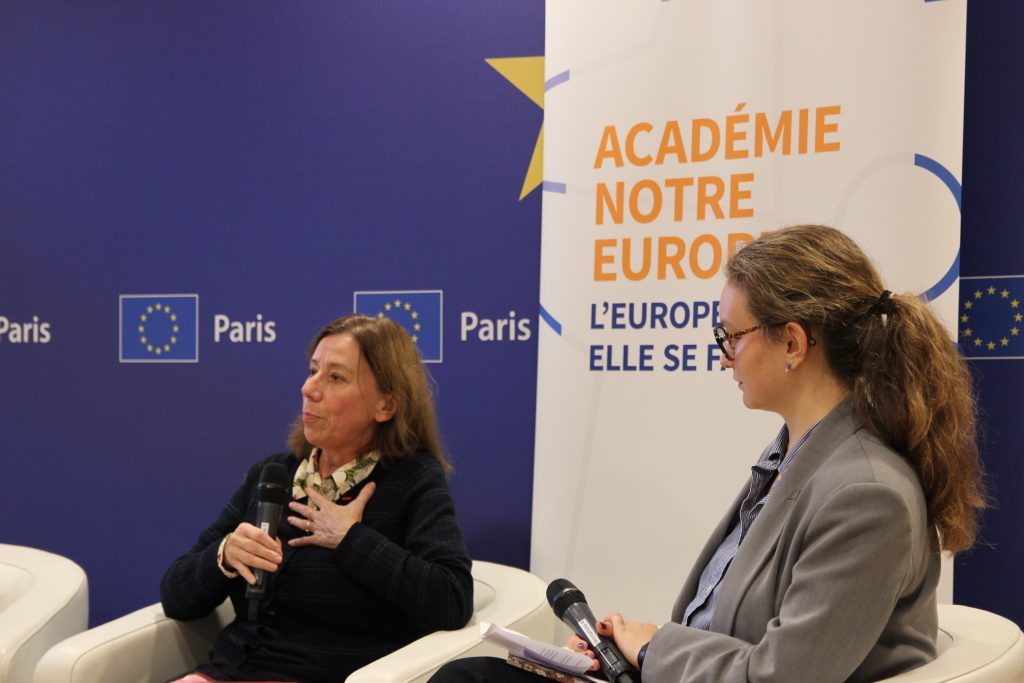
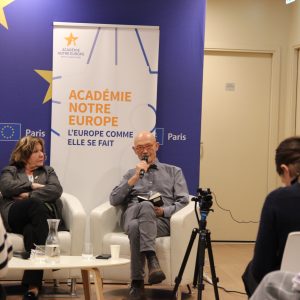
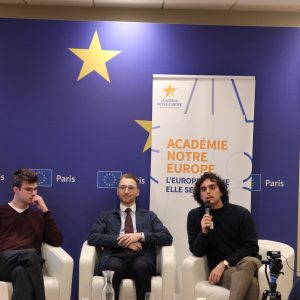
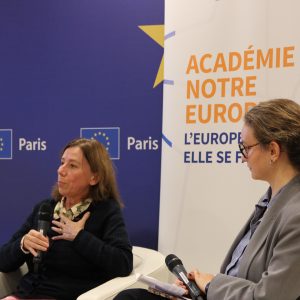
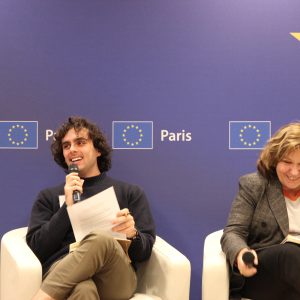
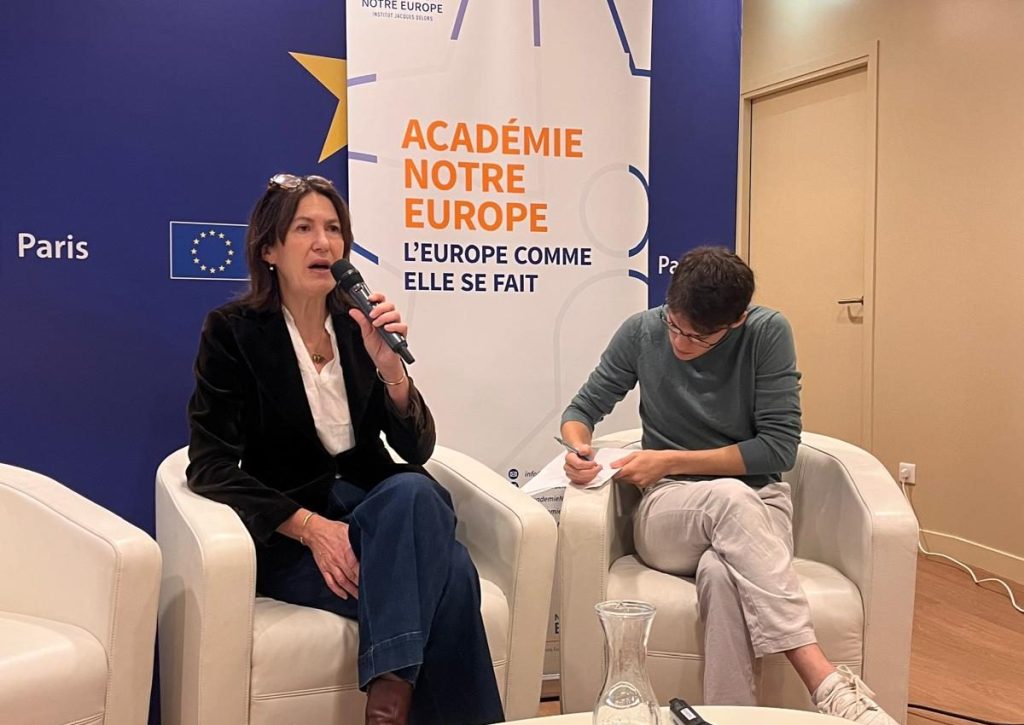
The third discussion of the morning took the form of a round table on the future of Europe in an unstable and rapidly evolving environment, featuring two long-standing friends of the Académie Notre Europe: Nicole Gnesotto, Vice-President of the Jacques Delors Institute, professor at CNAM and author of Fractures dans l’Occident. Pascal Lamy, coordinator of the Jacques Delors think tank network and former Director-General of the World Trade Organization
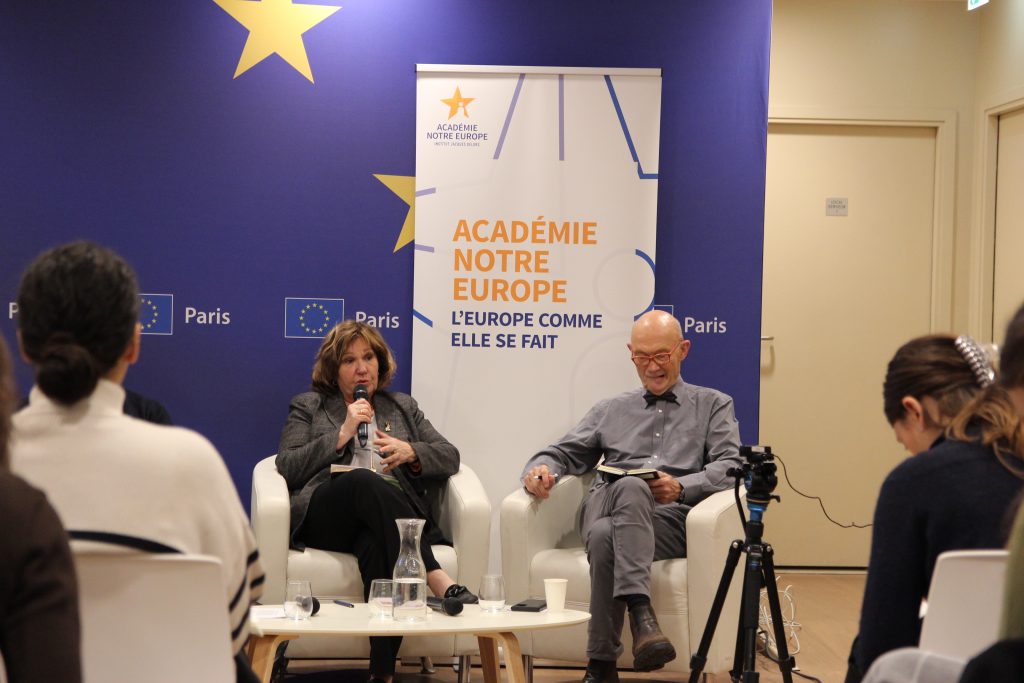
Nicole Gnesotto analysed the crisis of the liberal-democratic model in place since 1945, now exacerbated by the rise of the far right in the West and by external threats. She identified three major dangers for Europe: the Russian threat, the risk of strategic abandonment by the United States, and the “anti-democratic counter-revolution” underway in the U.S., promoted by ideologues close to Trump. She argued that Europe must move beyond its three foundational assumptions (forgetting war, trading, and relying on the United States) and accept that these principles may now be challenged — even by former partners — in order to defend liberal democracy.
Pascal Lamy addressed the search for a balance between U.S. demands and China’s global rise, in a world increasingly structured by the intensification of their rivalry. He acknowledged that Europe is weak and ill-prepared for today’s world. Its fragility stems from five structural weaknesses: demographic, economic, technological, social, and military. He stressed that military power cannot exist without economic power, recalling that Europe’s current growth potential is estimated at half that of the United States.
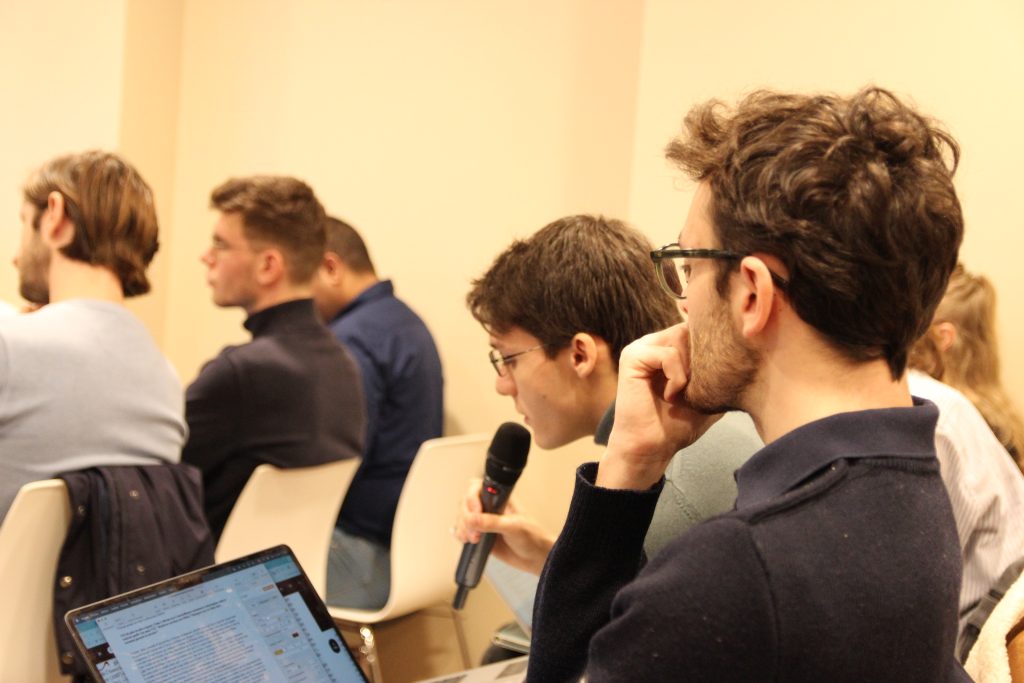
In the afternoon, the cohort was divided into two groups:
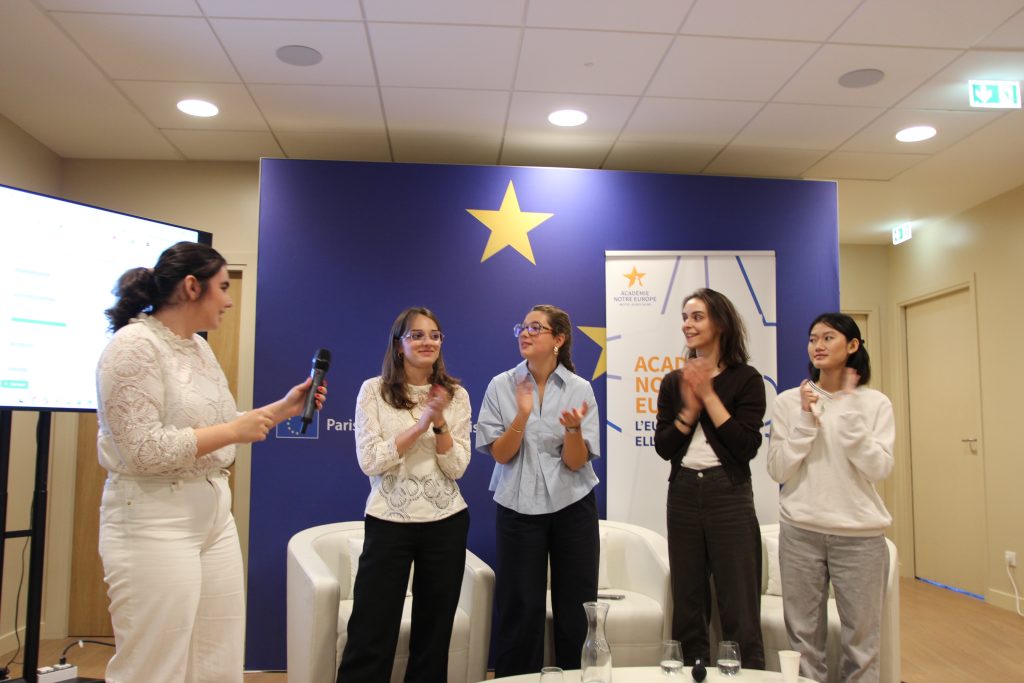
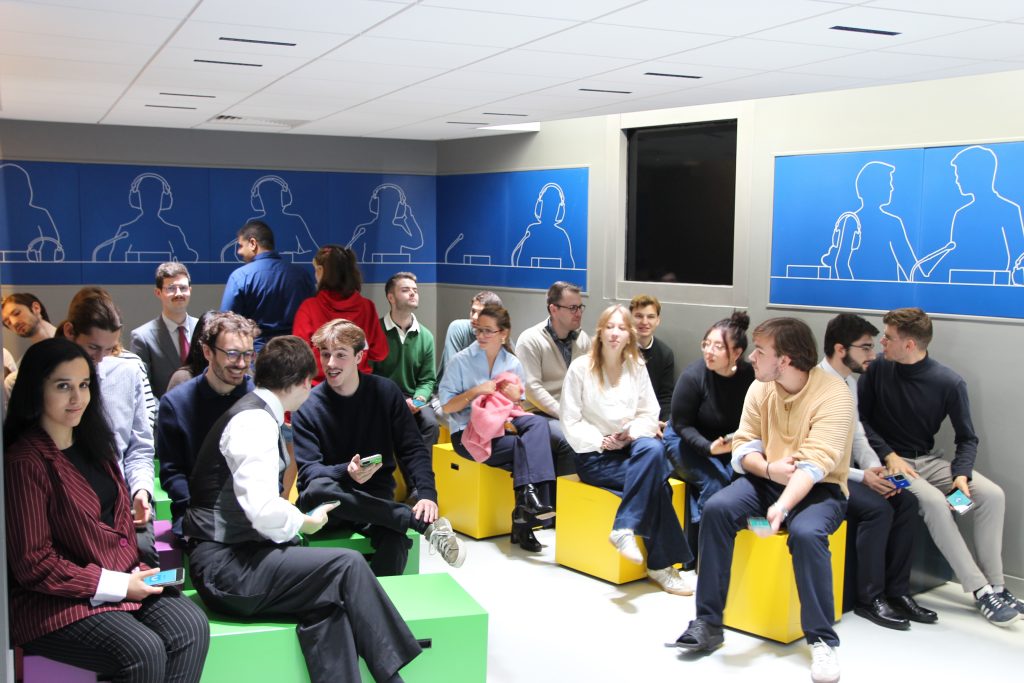
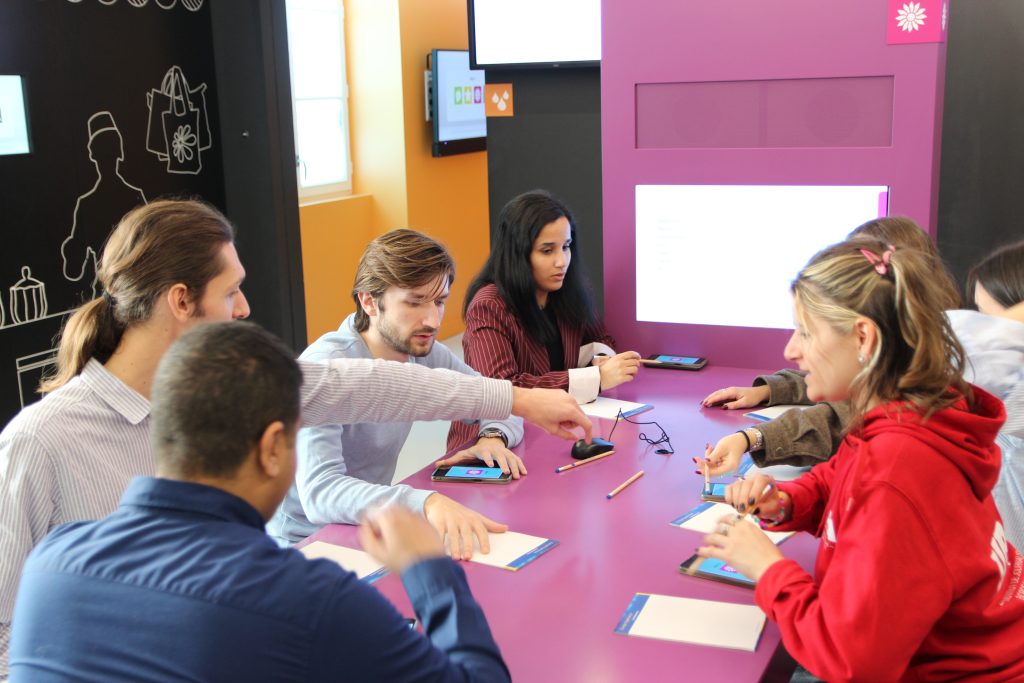
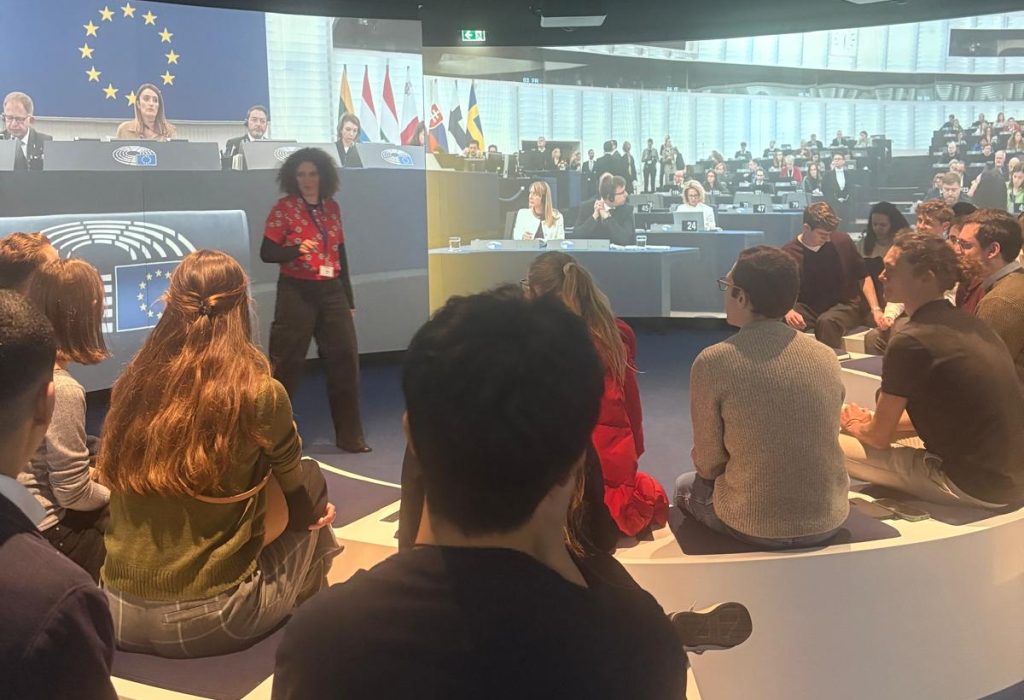
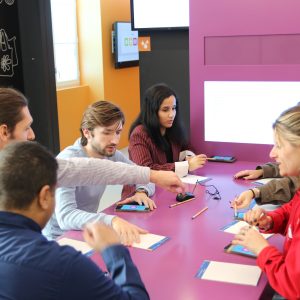
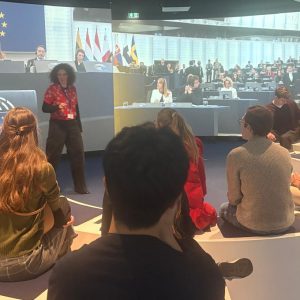
The first group stepped into the shoes of Members of the European Parliament, thanks to the interactive simulation game offered by the Europa Experience. An immersive way to experience European political and institutional practices — and to develop valuable skills such as public speaking, negotiation, and teamwork!
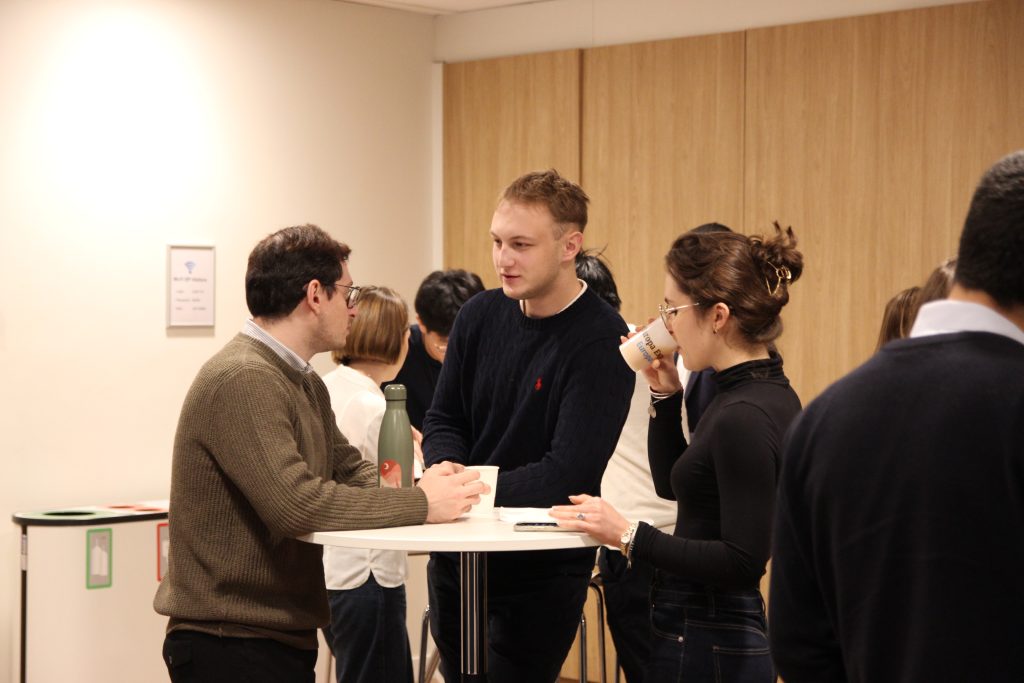
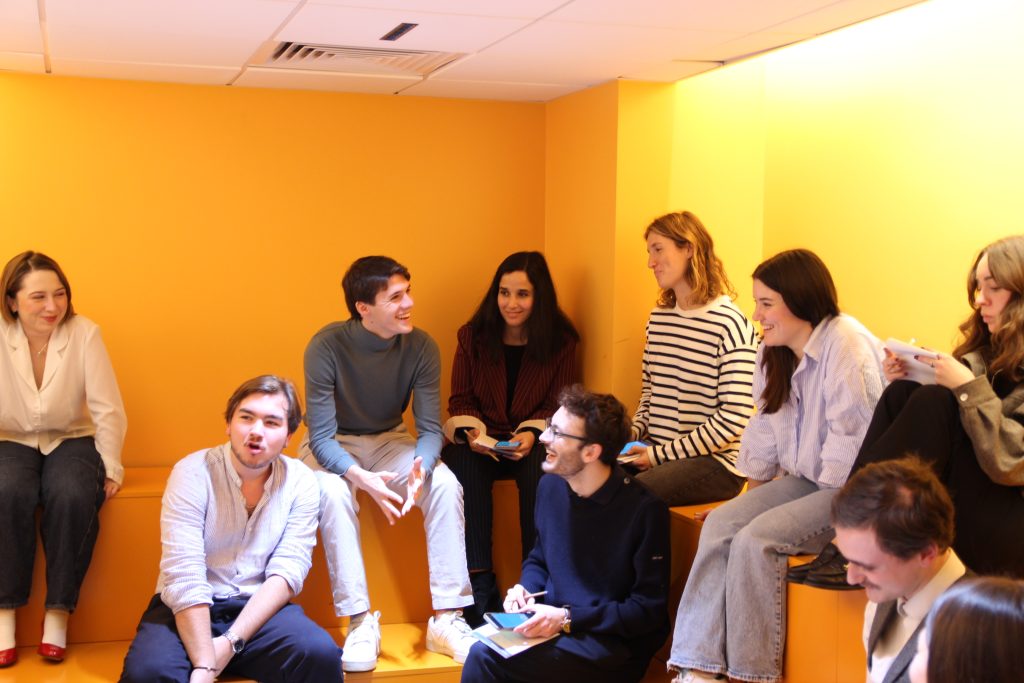
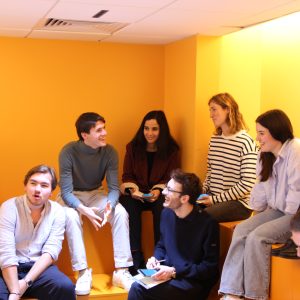
The second group enjoyed two informal sessions offering alternative insights into the EU:
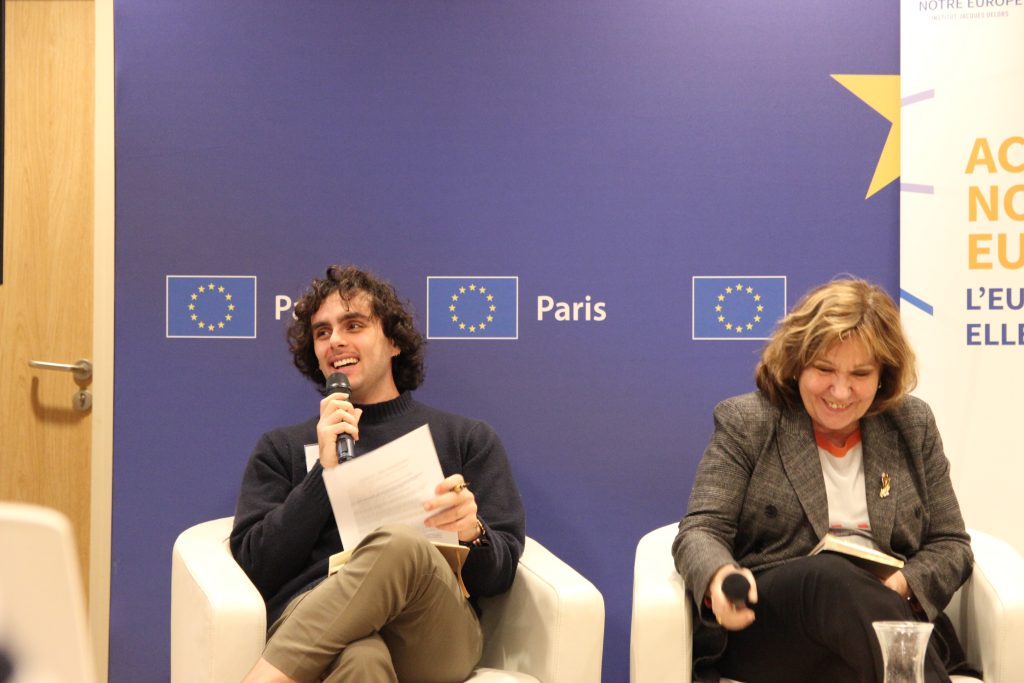
Europe through the lens of comics: Antoine Angé (Kokopello) took participants behind the scenes of the creation of his graphic novel La Tour de Babel — and, through it, behind the scenes of how the EU works. An accessible and creative way to grasp institutional complexity.
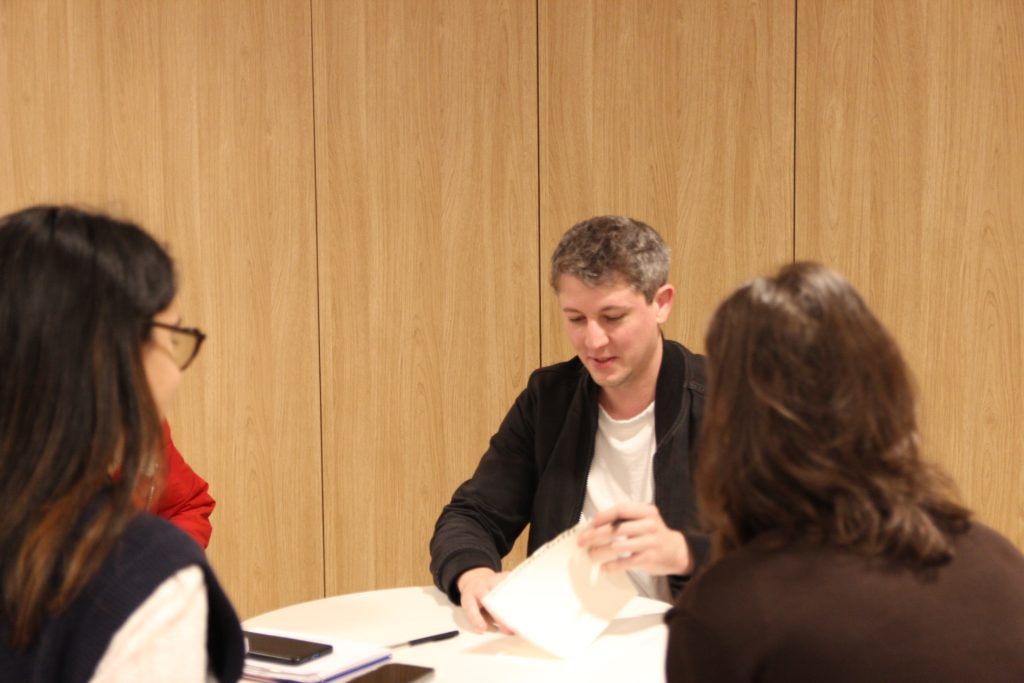
Walking in a diplomat’s footsteps: Through her testimony, Corinne Brunon Meunier shed light on the delicate balances of diplomacy, helping young people interested in international relations imagine themselves in their future careers.
A huge thank you to Europa Experience Paris for hosting us, and to all speakers and participants for this high-level session!