A third session to tackle Social Europe
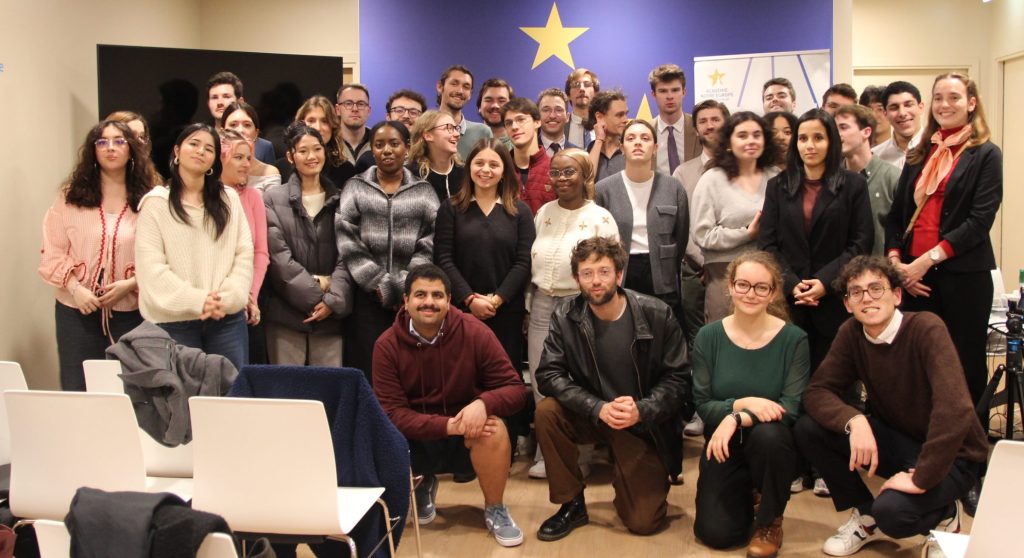
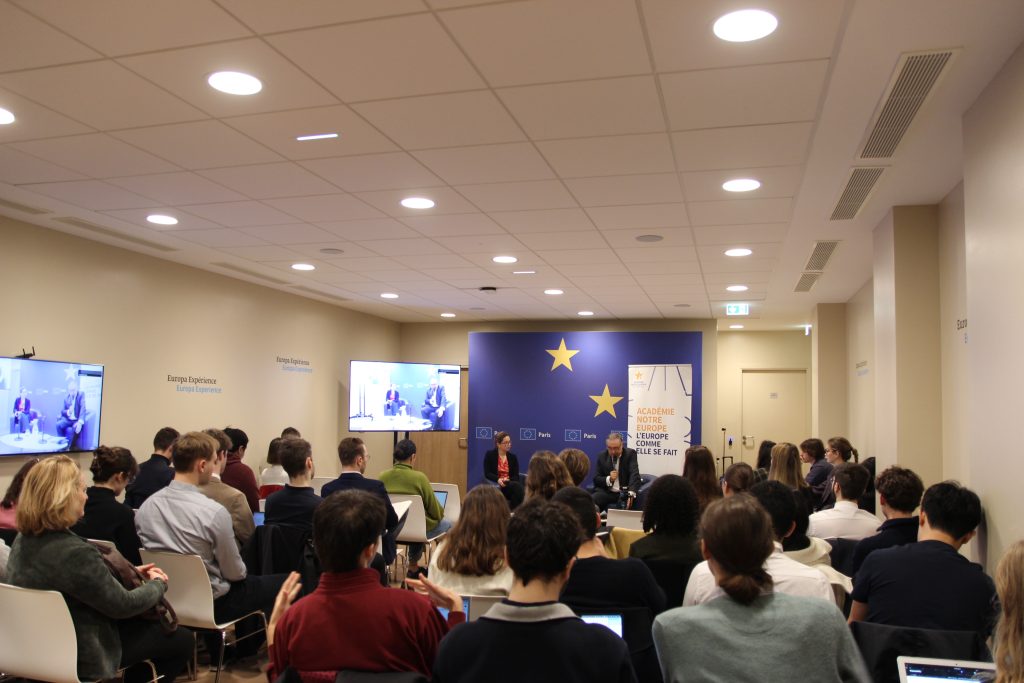
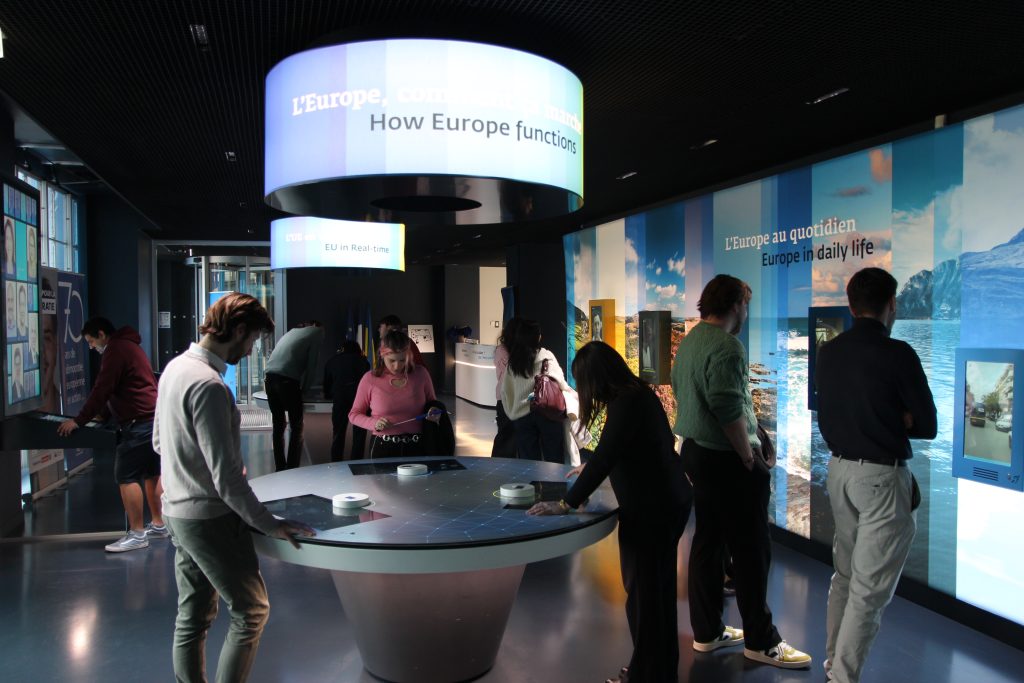
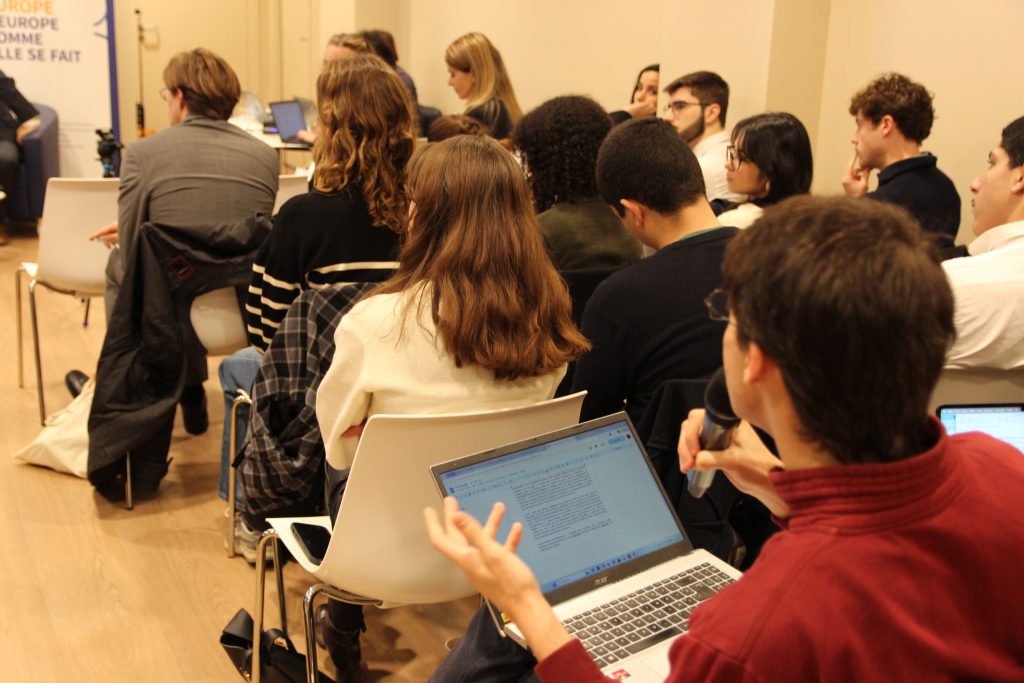
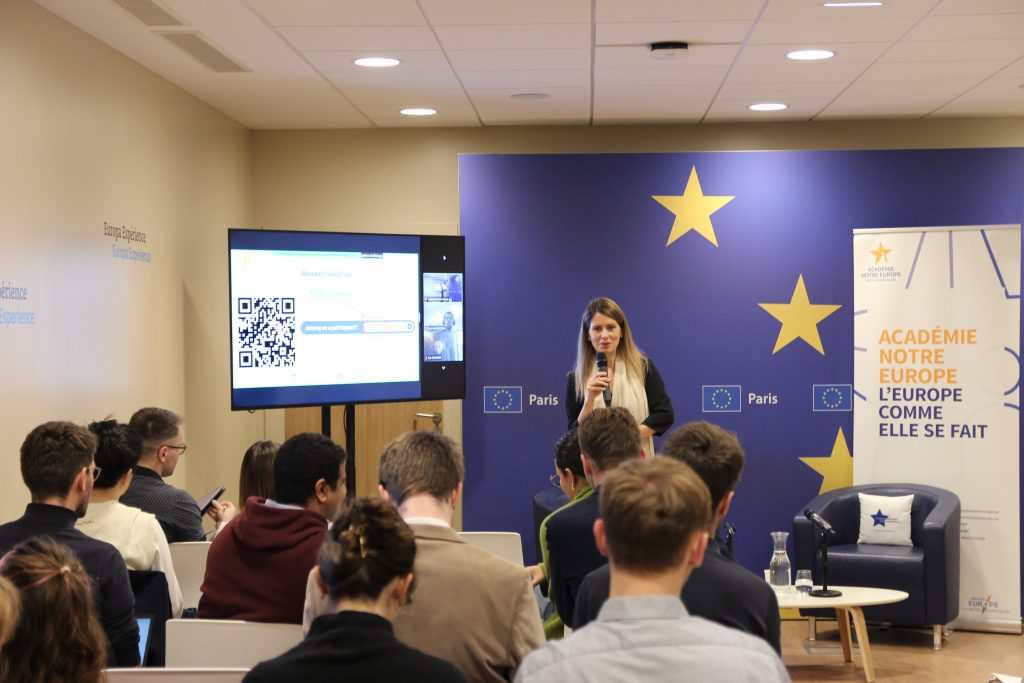
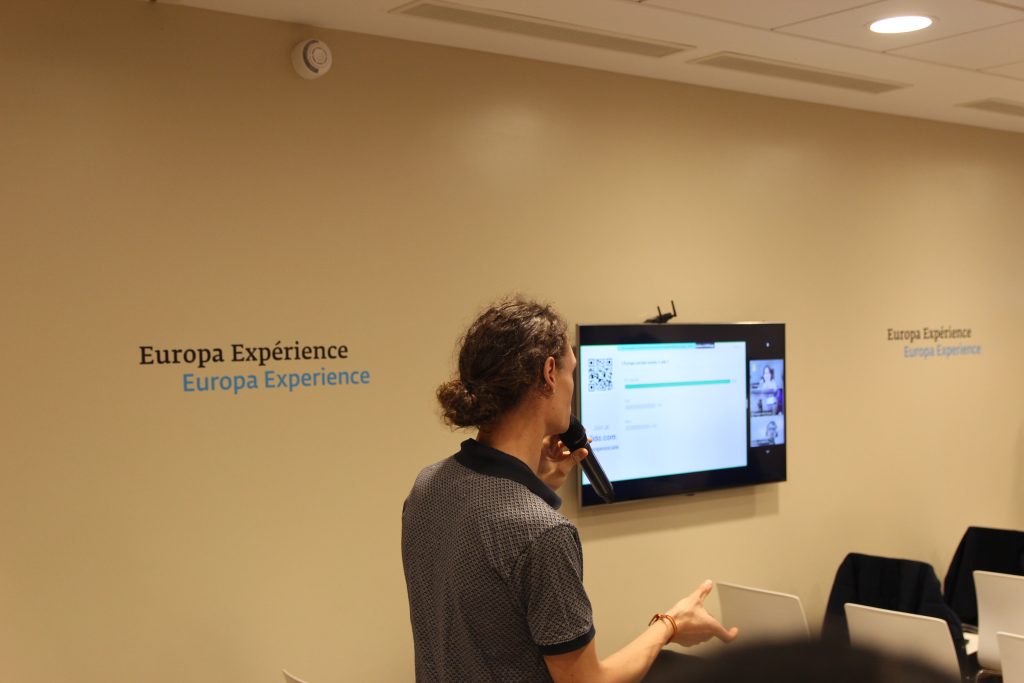
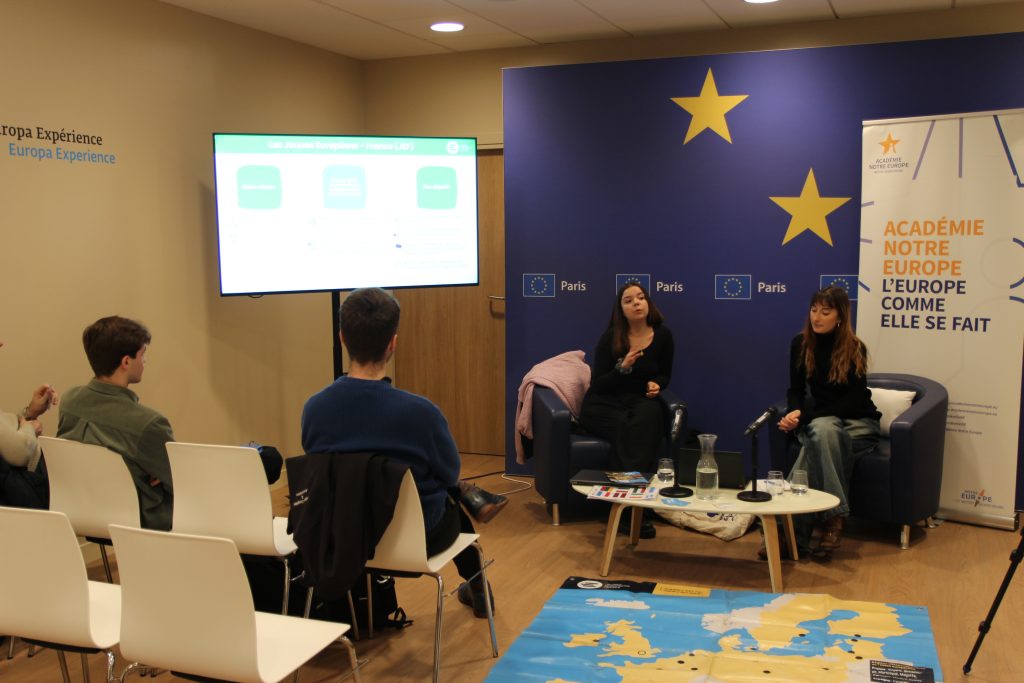
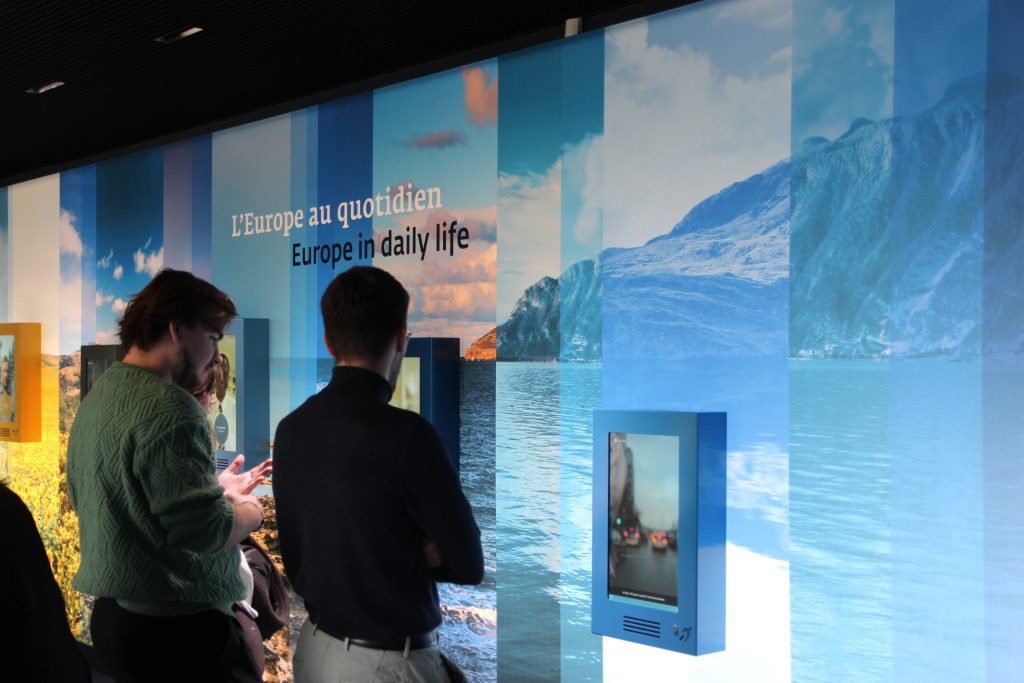
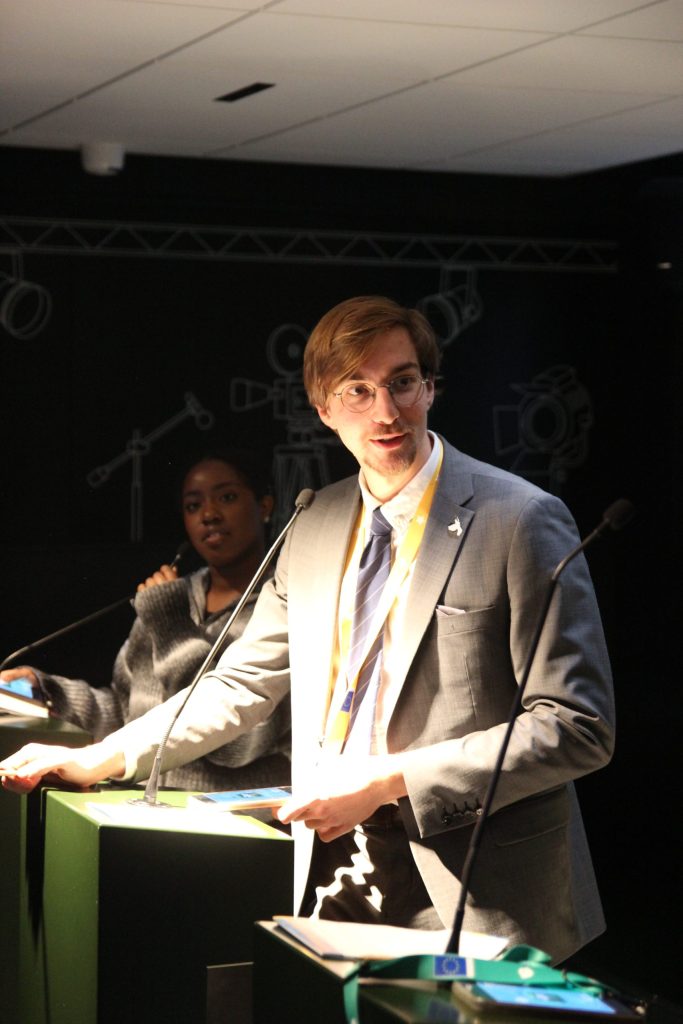
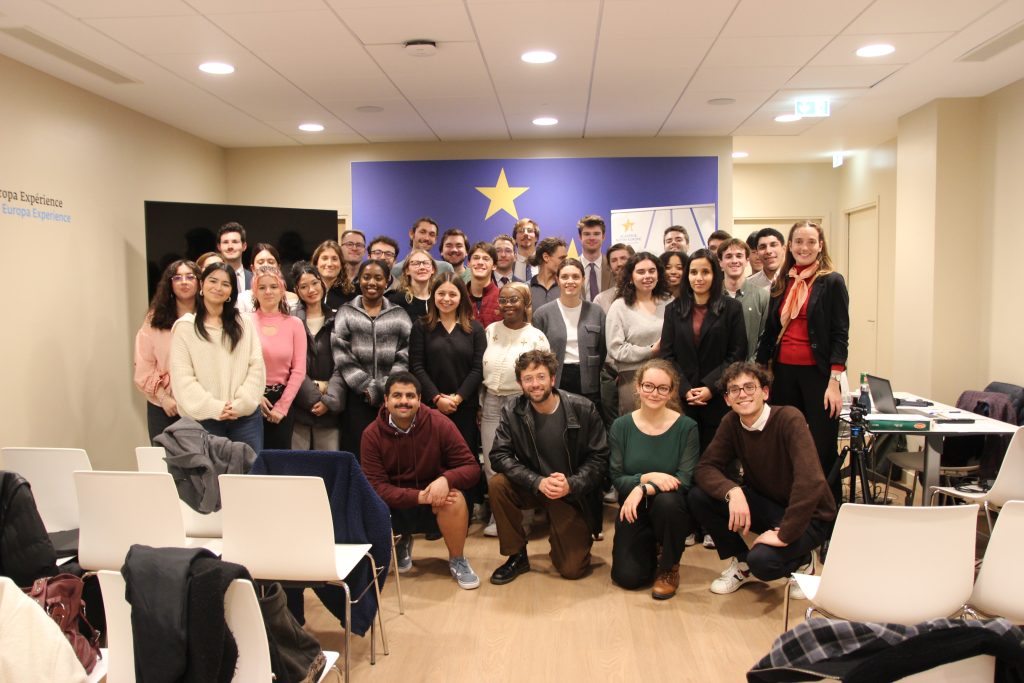
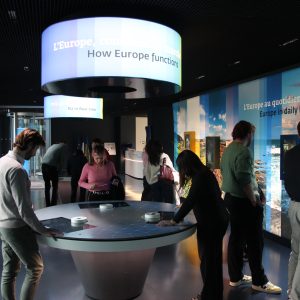
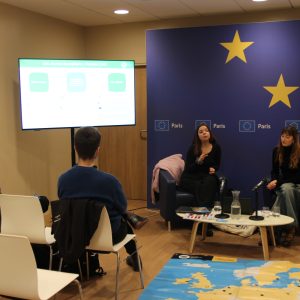
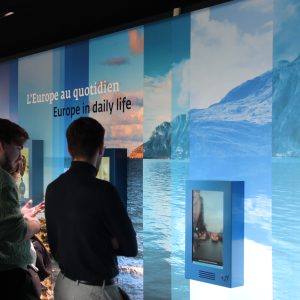
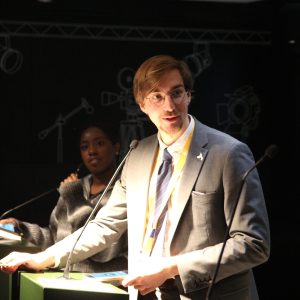
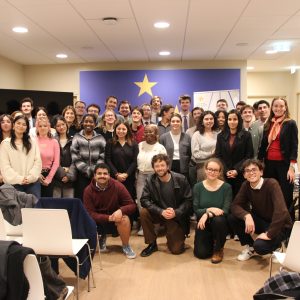
On 12 December, the 2025–26 cohort of the Académie Notre Europe gathered at the Europa Experience in Paris for its third session dedicated to Social Europe.
A look back at a session full of energy!
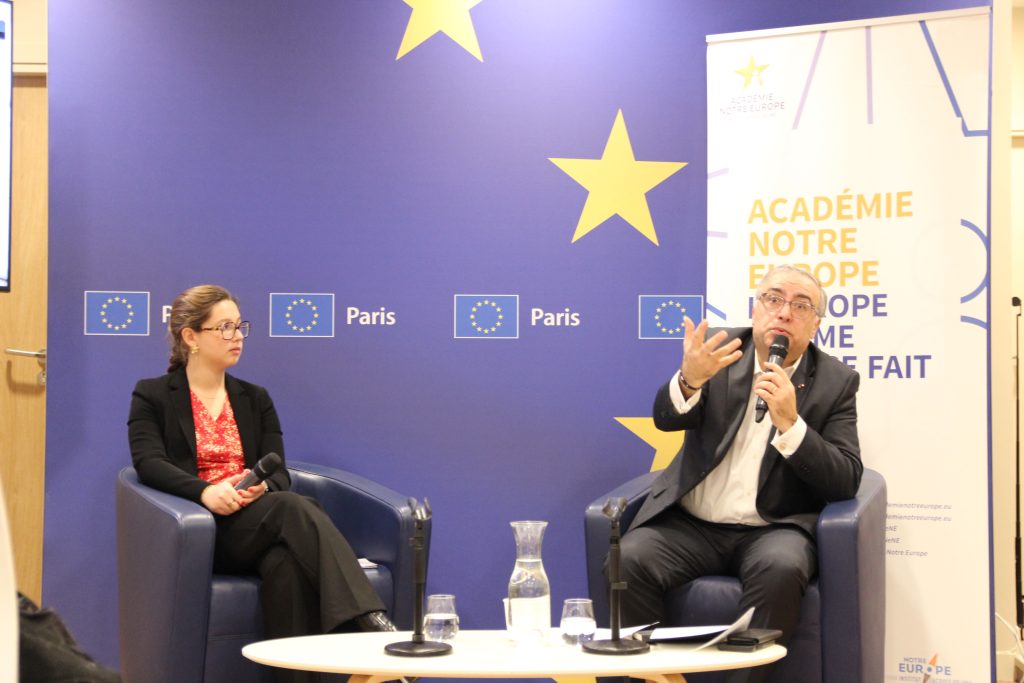
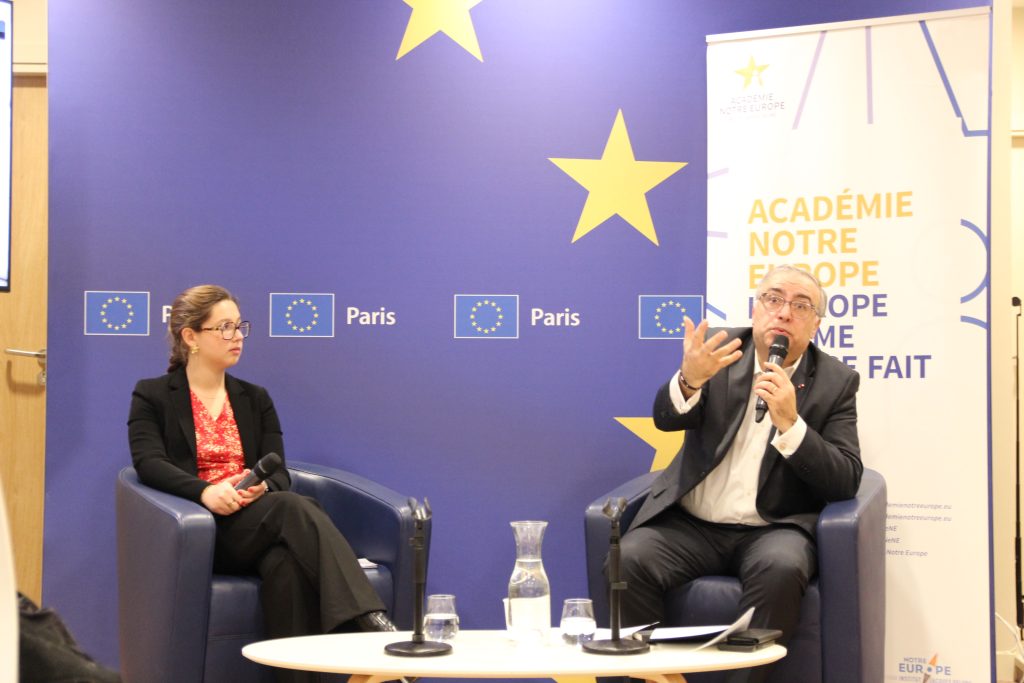
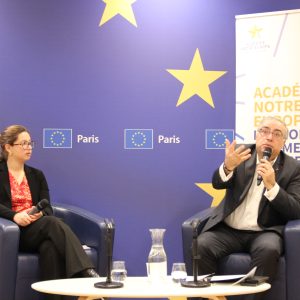
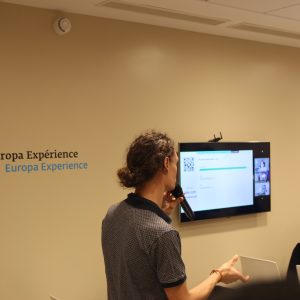
We first welcomed Philippe Da Costa, Chief Executive Officer of the AG2R La Mondiale Group and former President of the French Red Cross. His talk highlighted the central role of the social and solidarity economy (SSE) and corporate social responsibility (CSR) in France and across Europe.
He recalled that the SSE is fully embedded in the European social market economy model: it represents nearly 13 million workers (6% of total employment) and plays a key role, notably in cohesion policy.
The SSE is supported by national and European frameworks, such as France’s 2014 Hamon Law and the European Action Plan for the Social Economy adopted in 2021. However, Philippe Da Costa warned of the sector’s growing difficulties, faced with declining public support and insufficient private funding in a context of increasing budgetary constraints. He called for a stronger alliance between the State, local authorities and the private sector, and for a more resilient SSE that diversifies its sources of funding.
On CSR, while Philippe Da Costa acknowledged the need to simplify standards—particularly for SMEs—he stressed that this must not weaken essential requirements, at the risk of encouraging greenwashing and reducing the European Union’s normative impact.
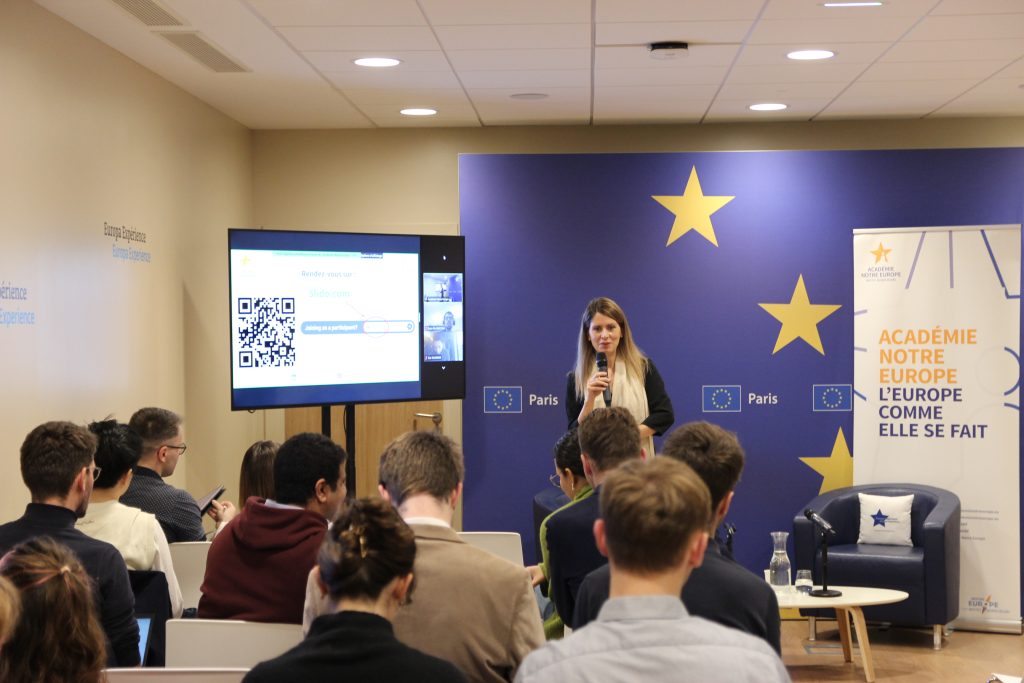
Our young members then exchanged with Sofia Fernandes, Director of the Academy and an expert on European social and employment issues. She delivered a masterclass on Social Europe, recalling the EU’s limited competences in this area, but also the historical evolution of the social dimension, closely linked to the political will of Member States and European leaders.
“Social Europe is not an empty slogan, it is not an illusion, it is a reality—but there is still much to be done,” said Jacques Delors in 1995. Thirty years later, this statement remains more relevnt than ever.
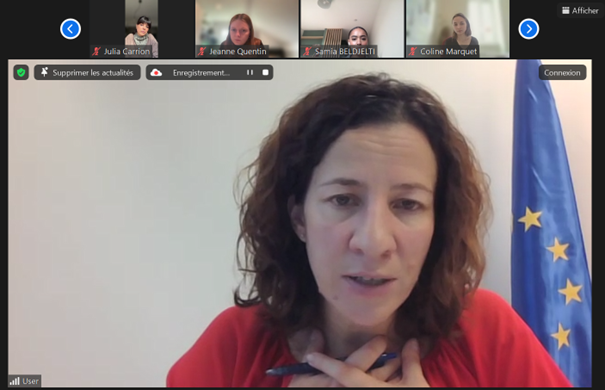
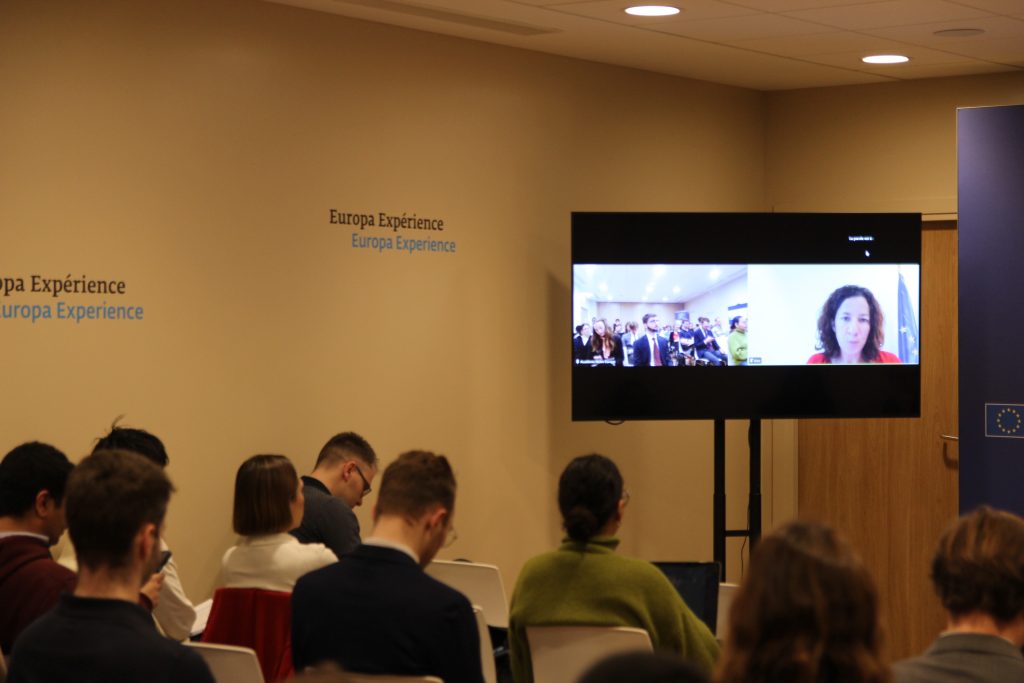
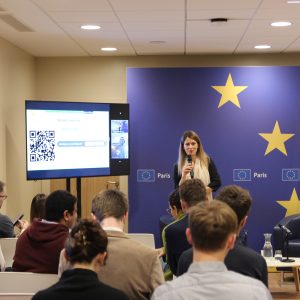
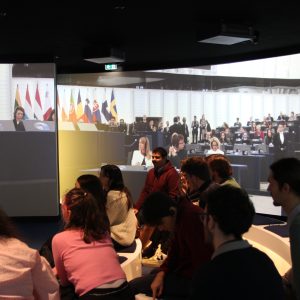
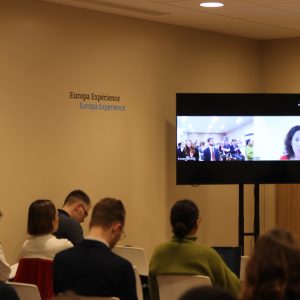
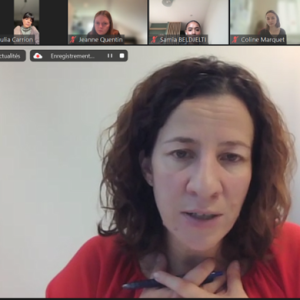
We then welcomed Roxana Mînzatu, Executive Vice-President of the European Commission, who exchanged with the young participants on the current and future social challenges facing the European Union.
Roxana Mînzatu argued for strengthening the European social model, based on valuing human capital and guaranteeing quality jobs. Welcoming progress on minimum wages and platform workers, she defended a vision in which technology—particularly artificial intelligence—remains at the service of human productivity and mental health. For her, our social model and our competitiveness are inseparable from the fair sharing of prosperity.
She also identified mobility as a fundamental “social right,” which should move beyond its current, relatively privileged framework to become universal through an “Erasmus for all” integrated into education pathways. She nevertheless noted that this right is hindered by precariousness and the housing crisis, which she proposes to address as a right rather than merely an investment tool. In this context, she announced the forthcoming publication of the European plan for affordable housing, closely linked to the EU’s objective of eradicating poverty.
Finally, the Commissioner emphasized that Europe’s resilience depends on its internal cohesion. Fighting poverty and investing in civic education constitute the “best line of defence” for European democracy in the face of climate and security crises.
In the afternoon, the cohort was once again split into two groups:
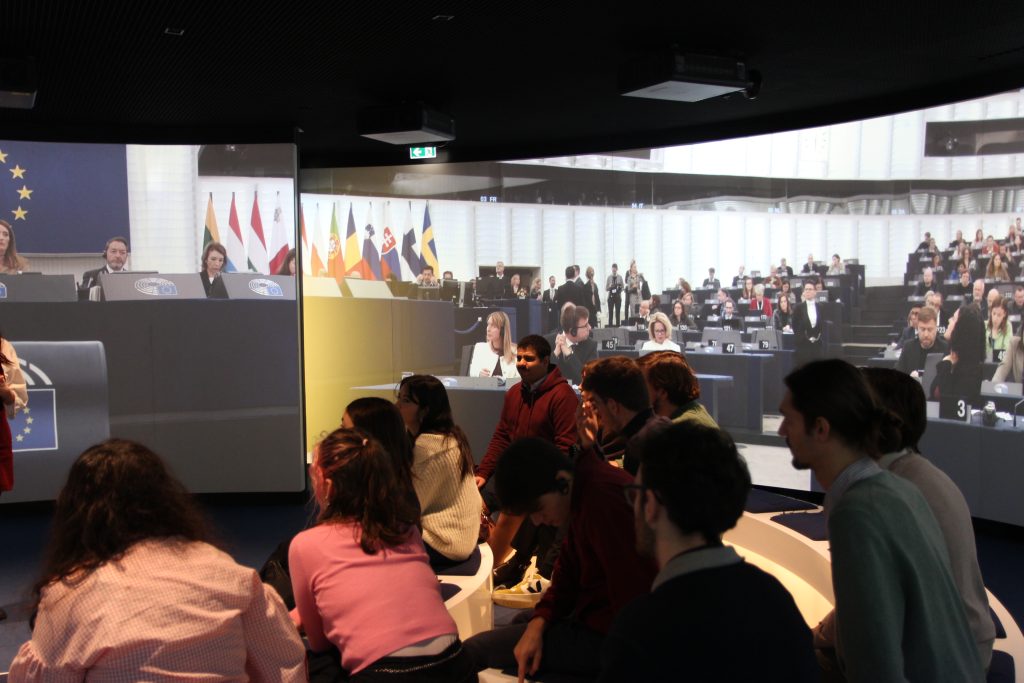
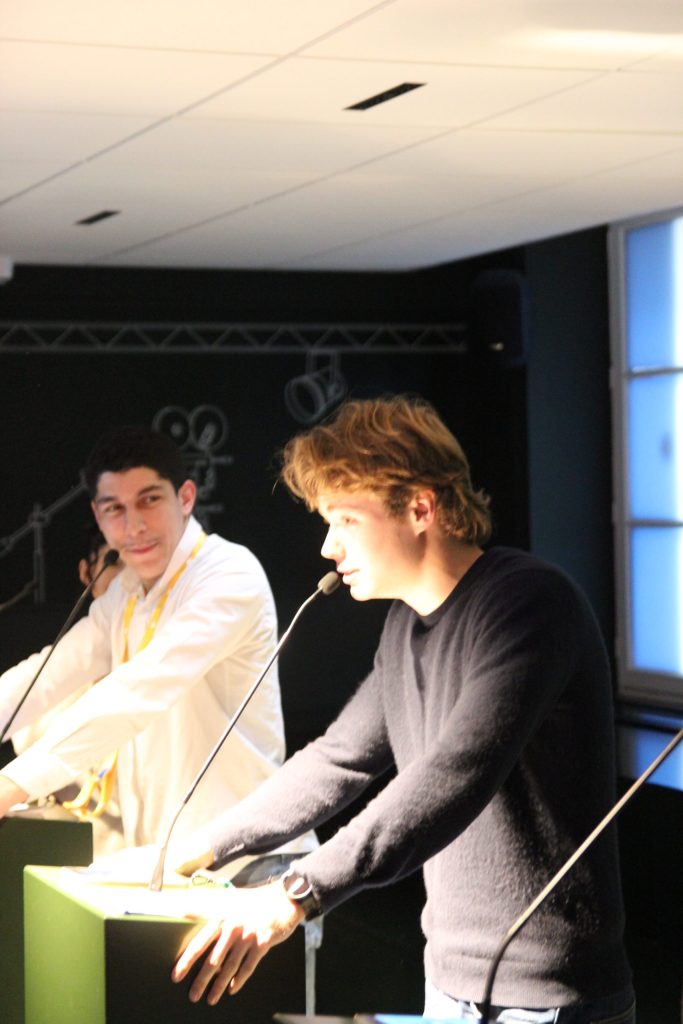
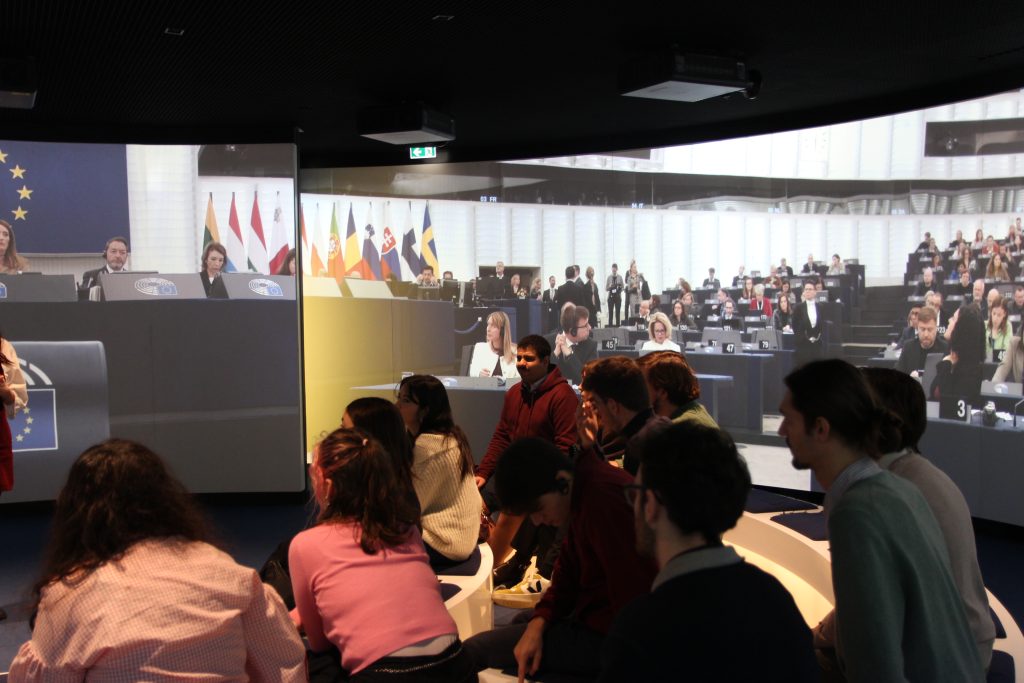
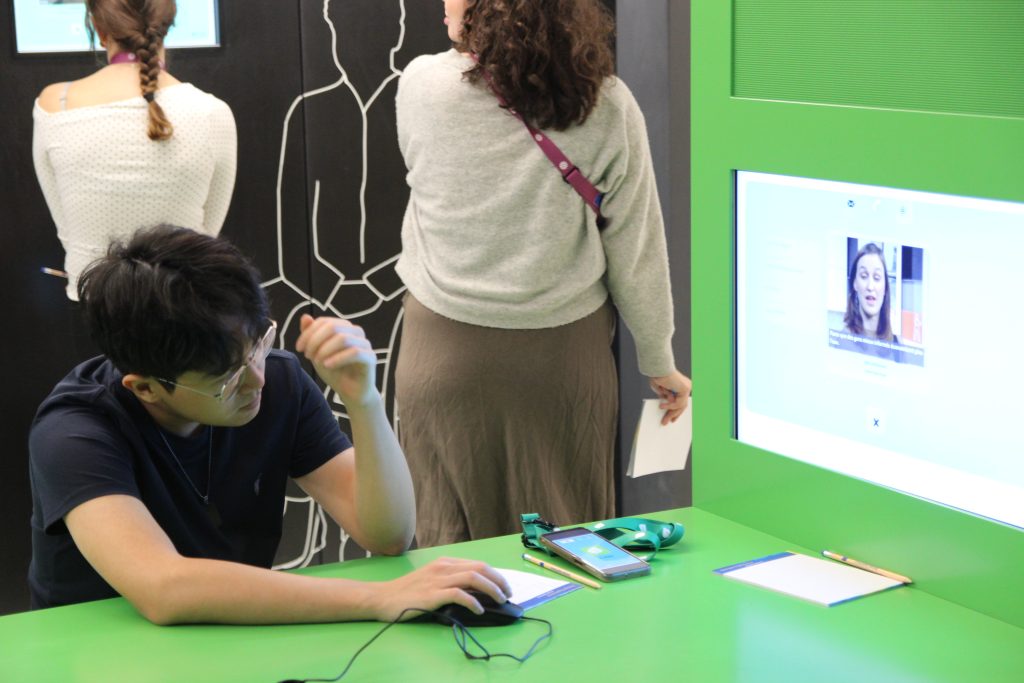
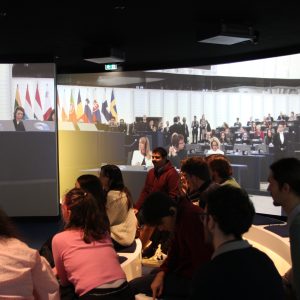
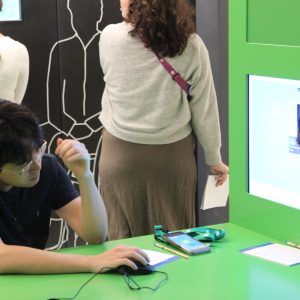
The first half stepped into the shoes of a Member of the European Parliament through the interactive simulation game offered by the Europa Experience in Paris. An immersive way to experience European political and institutional practices, while developing valuable skills such as public speaking, negotiation and teamwork.
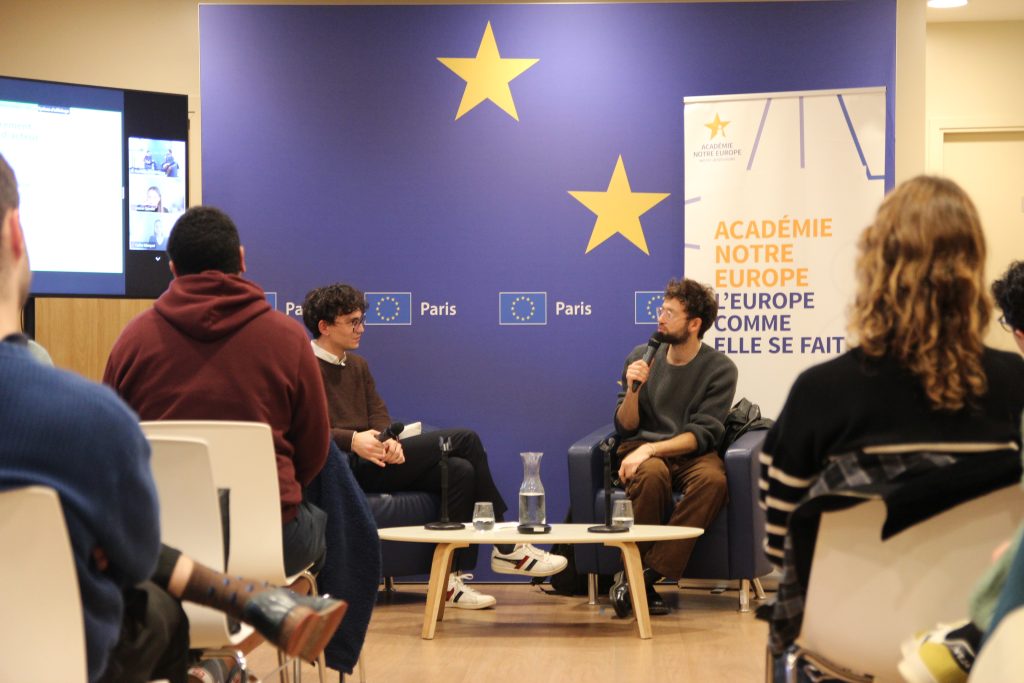
The second half of the cohort had the opportunity to take part in two informal discussion sessions to see the EU from a different perspective:
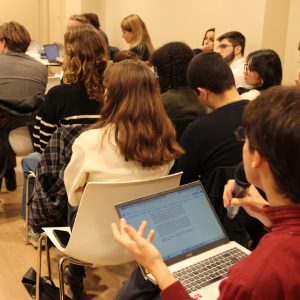
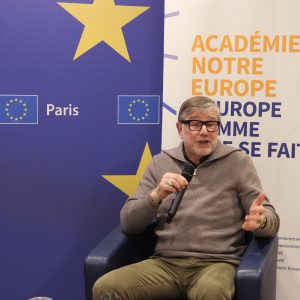
First, with Jean Quatremer, Brussels correspondent for Libération, who spoke about media coverage of European affairs and warned above all about the risks associated with information bubbles and disinformation on social media. “Read the print press, read several newspapers, and cross-check sources—don’t rely on a single source.”
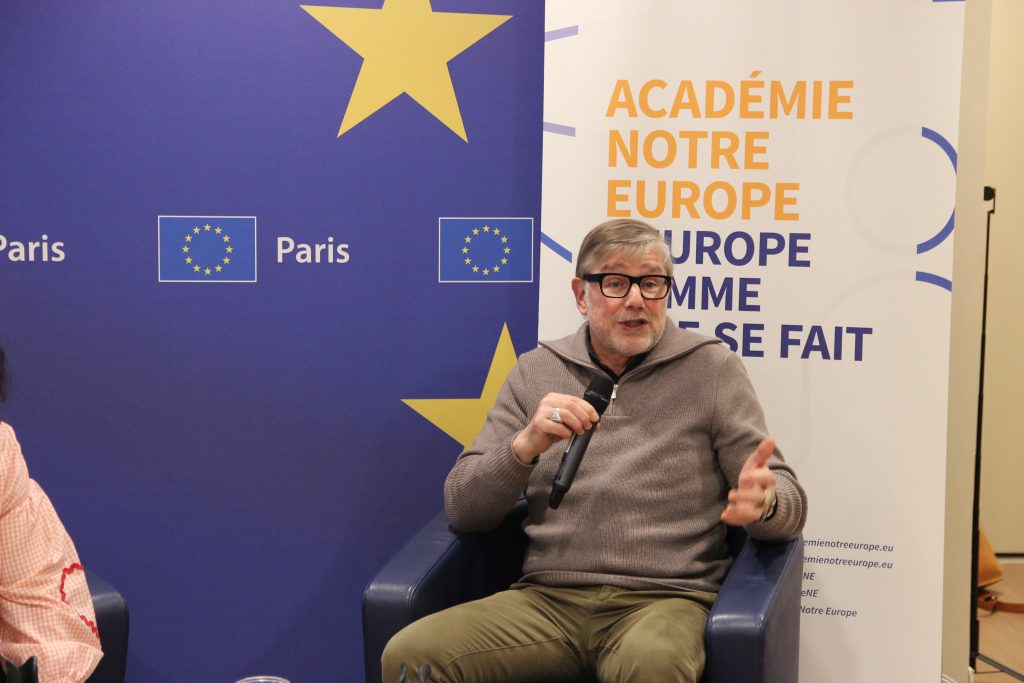
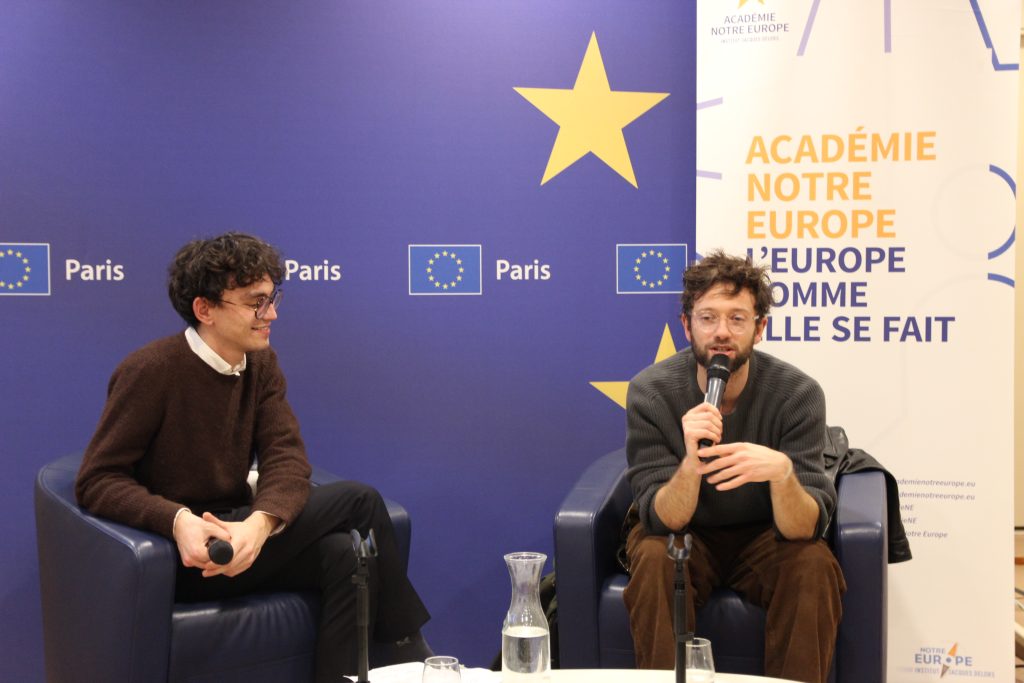
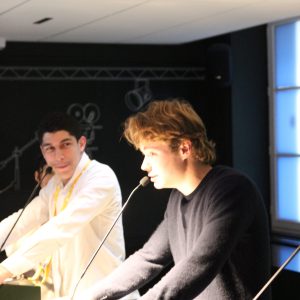
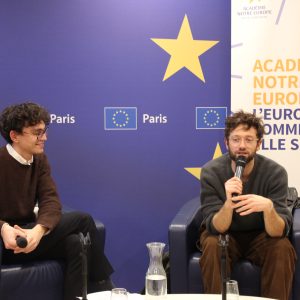
Then, stepping into the world of acting with Xavier Lacaille, lead actor in the series Parlement, who took the young participants behind the scenes of the show. He shared his experience of acting in a multilingual and diplomatic context and reminded them how powerful fiction can be: “Fiction must go where it has never gone before; comedy is a genre that allows you to talk about everything and address everything.”
Nos soutiens
- AG2R La Mondiale
- Union européenne
- Ministère de l'Europe et des affaires étrangères
- Europa Expérience